Chocolate Chip Cookies — Easy Chewy Homemade Recipe
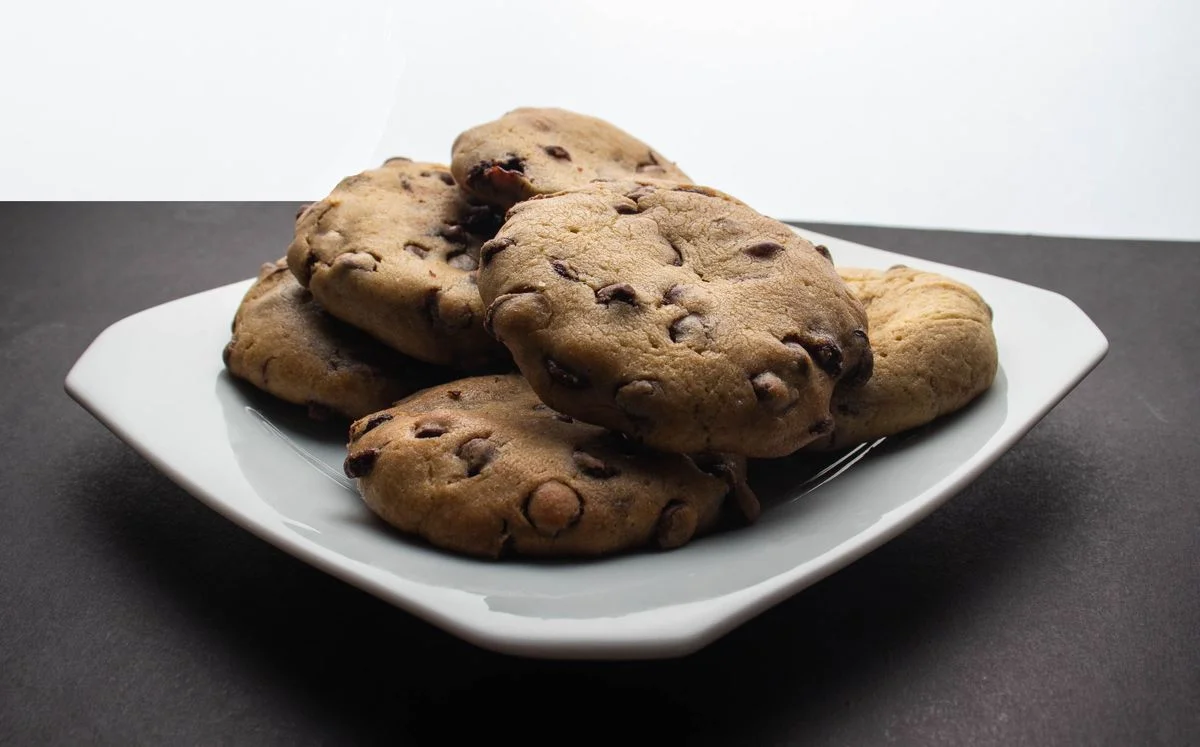
These chocolate chip cookies are the ones every home baker needs in their collection: golden at the edges, soft and chewy in the middle, and full of melty chocolate in every bite. They are made the classic way — plenty of brown sugar for chew, an extra egg yolk for richness, and a short bake so the centres stay soft — and they come together in one bowl with ingredients you already have.
They are also wonderfully forgiving. There is no rolling pin, no cookie cutters and no decorating — just a soft dough, rolled into balls, and baked for ten minutes. If you can cream butter and sugar together, you can make these chocolate chip cookies, and once you have made them once, you will understand why this is the recipe people come back to again and again.
Why These Chocolate Chip Cookies Work So Well
A great chocolate chip cookie is not an accident — it is a recipe built for chewiness from the first ingredient. Every choice in this recipe pushes the texture in the same direction: towards a cookie that bends instead of snapping, with crisp edges and a soft, gooey middle.
The brown sugar is the first secret. Brown sugar contains molasses, and molasses holds on to moisture, so cookies made with brown sugar stay softer and chewier than cookies made with white sugar alone. The extra egg yolk is the second secret: the fat in the yolk makes the crumb richer and more tender. The short bake is the third: the cookies come out of the oven while the centres still look soft, and they finish setting on the hot tray, so they never overbake into crispness.
They also fit the way most of us actually bake. The dough comes together in about fifteen minutes, chills for half an hour while the oven heats, and bakes in two quick trays. There is nothing fiddly here, which makes them perfect for a weeknight treat, a lunchbox surprise, or a last-minute bake for unexpected guests.
The Ingredients You’ll Need
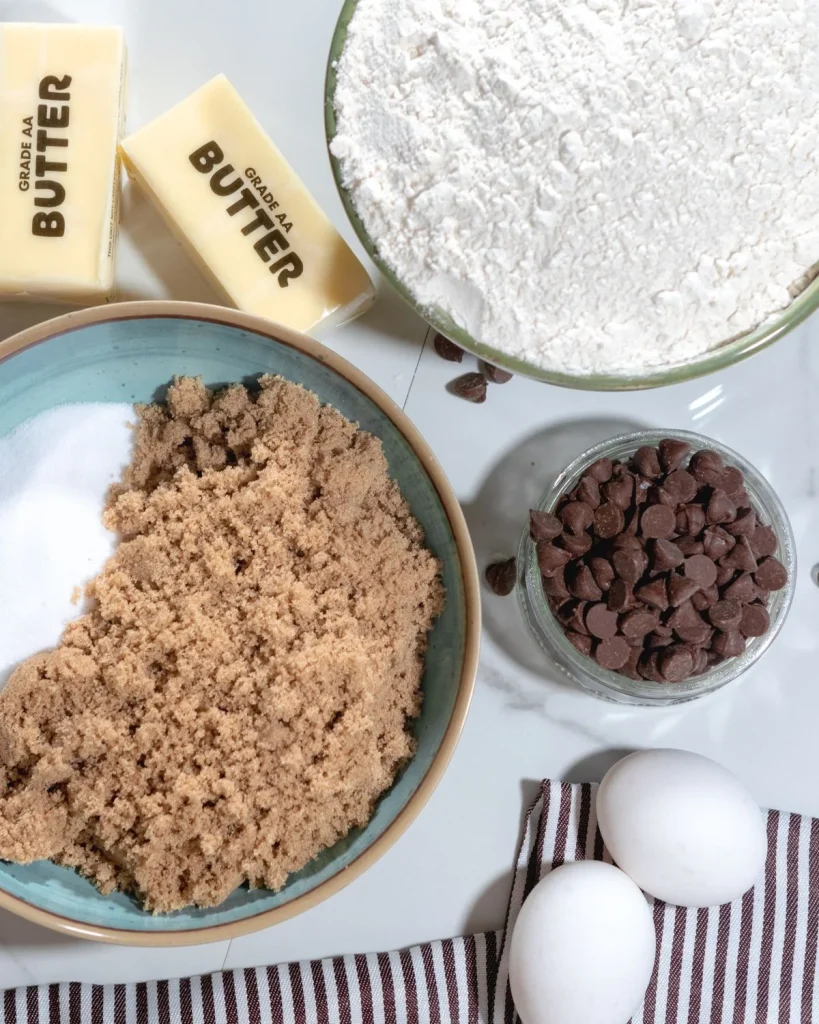
You only need a handful of everyday ingredients. Nothing here is hard to find, and most of it is probably in your kitchen already.
- All-purpose flour — 2¼ cups (280 g), spooned and levelled. Spoon the flour into the measuring cup and level it off — scooping straight from the bag packs in too much flour, and too much flour is the most common reason cookies turn out dry and cakey.
- Baking soda — 1 teaspoon. Baking soda helps the cookies spread a little and rise, and it works with the brown sugar to give the cookies their soft, chewy bite.
- Baking powder — ½ teaspoon. A small amount of baking powder helps the cookies puff up in the oven, so they stay thick instead of going flat.
- Salt — 1 teaspoon. Salt keeps the cookies from tasting flat. Butter, sugar and chocolate are all sweet, and a little salt makes all of them taste more like themselves.
- Unsalted butter — 1 cup (2 sticks, 225 g), at room temperature. The butter should be soft enough to press with a finger, but still hold its shape. If it is too soft or melted, the cookies will spread too much.
- Granulated sugar — ¾ cup. The granulated sugar gives the cookies their sweetness and their lightly crisp edges.
- Light brown sugar — ¾ cup, packed. This is what makes the cookies soft and chewy. The molasses in brown sugar holds moisture in the dough, so the cookies stay tender instead of drying out.
- Large egg + 1 egg yolk — at room temperature. The extra yolk adds fat and moisture, which is what makes the centres so rich and soft. Save the spare egg white for an omelette, or use it to brush the tops of the cookies before baking.
- Vanilla extract — 2 teaspoons. Vanilla is the main flavour behind the chocolate, so use a good one. It is the difference between a cookie that tastes homemade and a cookie that tastes like the shop.
- Semisweet chocolate chips — 2 cups (340 g). Use a good-quality chip that melts well. Save a small handful to press on top of the dough balls before baking, so the finished cookies look as good as they taste.
That is the whole list — just real ingredients, and every one of them earns its place. For another take on the same idea, a chewy one-bowl method uses the same butter, sugar and egg base with fudgy centres and crisp edges, which is a good comparison if you want to see how small changes shift the texture.
How to Make Chocolate Chip Cookies
There are four parts to this recipe: cream the butter and sugars, add the egg and vanilla, mix in the dry ingredients and the chocolate chips, then roll, chill and bake. The chilling step matters — cold dough spreads less in the oven, so the cookies stay thick and chewy instead of going flat.
Step 1: Mix the dry ingredients
Whisk the flour, baking soda, baking powder and salt together in a medium bowl until they are evenly mixed. This takes less than a minute, and it matters: if the baking soda is not spread evenly through the flour, some cookies will rise more than others. Set the bowl aside.
Step 2: Cream the butter and sugars
Put the softened butter, granulated sugar and brown sugar in a large bowl. Beat them together with an electric mixer or a wooden spoon for 2–3 minutes, until the mixture is light, fluffy and pale in colour. Cream the butter and both sugars together and watch the mixture turn pale and fluffy — that change in colour tells you the butter has trapped enough air, and that air is what makes the cookies light instead of dense. Scrape down the sides of the bowl halfway through so everything mixes evenly.
Step 3: Add the egg, yolk and vanilla
Add the egg, the extra egg yolk and the vanilla extract to the creamed butter and sugar. Beat until everything is smooth and combined, about a minute. The mixture should look creamy and even, with no streaks of egg left. If the mixture looks slightly curdled, do not worry — it will come together as soon as the flour goes in.
Step 4: Add the dry ingredients and the chocolate chips
Add the flour mixture to the bowl in two or three parts, mixing on low speed or stirring gently with a wooden spoon after each addition. Mix only until the flour disappears — stop as soon as you cannot see any dry flour. Overmixing is the fastest way to make tough cookies, because it works the gluten in the flour and turns a tender dough into a firm one. Fold in the chocolate chips with a spatula, just until they are spread evenly through the dough.
Step 5: Chill the dough
Cover the bowl with cling film and put it in the fridge for at least 30 minutes, or up to 3 days. Chilling lets the flour absorb the moisture in the dough and lets the butter firm up again, so the cookies hold their shape in the oven instead of spreading into thin discs. If you are in a hurry, 30 minutes is enough — but an hour gives an even thicker, chewier cookie.
Step 6: Roll the dough into balls
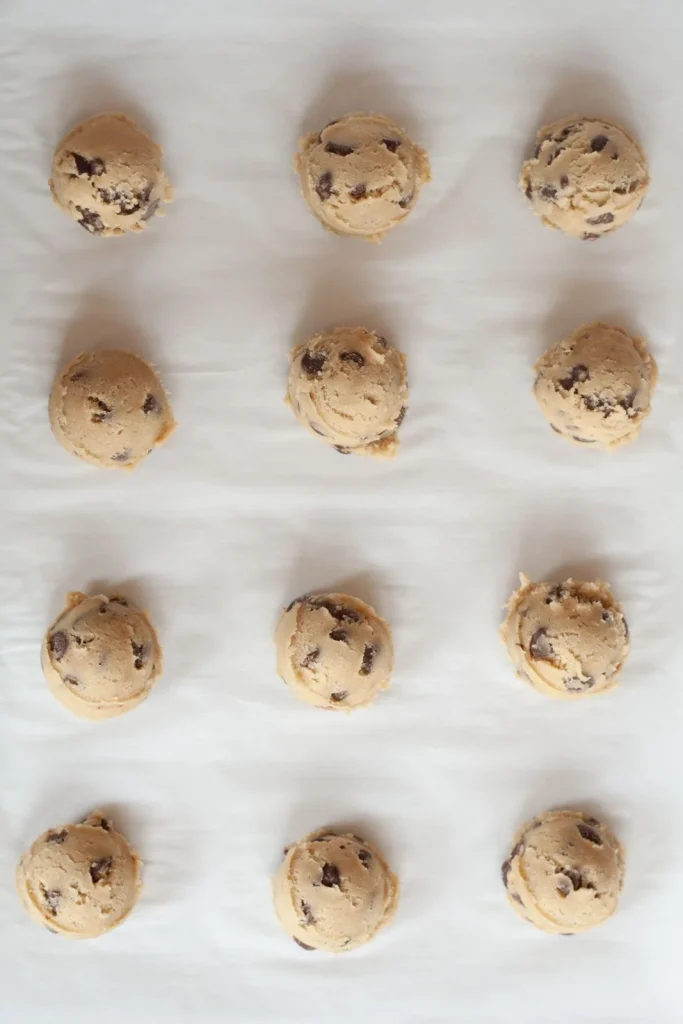
Heat the oven to 375°F (190°C) and line two baking sheets with parchment paper. Scoop the chilled dough with a tablespoon or a small cookie scoop, and roll each scoop into a smooth ball between your hands — about the size of a walnut, or roughly 2 tablespoons of dough. Place the balls on the lined baking sheets, about 2 inches apart. Press a few extra chocolate chips on top of each ball if you like a bakery-style finish.
Step 7: Bake until the edges are golden
Bake one tray at a time for 9–11 minutes, until the edges are set and just starting to turn golden, but the centres still look soft and slightly puffed. This is the most important moment in the whole recipe: take the cookies out while the centres still look underbaked. They will finish setting on the hot tray, and that is exactly what keeps them chewy. Leave the cookies on the baking sheet for 5 minutes, then move them to a wire rack to cool completely.
Tips for Perfect Chocolate Chip Cookies
A few small points make the difference between thick, chewy cookies and flat, hard ones. These are the ones that matter most.
- Use more brown sugar than white sugar if you want extra chew. Brown sugar is the single biggest softness lever in the recipe. If your cookies ever come out too crisp, try swapping another 2 tablespoons of white sugar for brown sugar next time.
- Measure the flour properly. Spoon the flour into the cup and level it off with a knife. Scooping directly from the bag can add as much as a quarter cup of extra flour, and that extra flour is the most common reason homemade cookies turn out dry.
- Do not skip the chill. Cold dough spreads less, bakes thicker, and tastes better. Even 30 minutes in the fridge makes a visible difference — the cookies come out taller, with softer centres and more even edges.
- Do not overmix the dough. Once the flour goes in, mix only until it disappears. Overmixing builds gluten, and gluten makes cookies tough and flat instead of soft and chewy.
- Take the cookies out early. The centres should still look soft and puffy when the tray comes out of the oven. The cookies keep cooking on the hot tray for several minutes after baking, and that carryover heat is what finishes them without drying them out.
- Cool them on the tray first. Five minutes on the baking sheet lets the cookies set enough to move without breaking, while the centres stay soft. Moving them to a wire rack too soon can break them; leaving them on the tray too long can overbake them.
Chocolate Chip Cookies vs Other Cookie Styles
People often ask what actually makes a cookie chewy instead of crispy or cakey. It is not one thing — it is the whole recipe working together. Here is how the three styles compare.
| Feature | Chewy Cookies | Crispy Cookies | Cakey Cookies |
|---|---|---|---|
| Texture | Thick, tender centres that bend | Thin, snappy, and crunchy all the way through | Soft, fluffy, and cake-like |
| Sugar | More brown sugar, for moisture | Mostly white sugar, for spread and crispness | Equal sugars, often more white |
| Fat | Butter plus an extra egg yolk | Butter, often melted, for more spread | More butter, creamed longer |
| Flour | Measured carefully, never packed | Often more flour, for a firmer dough | Often extra flour, for a soft crumb |
| Leavening | Baking soda + a little baking powder | Baking soda, for spread | More baking powder, for lift |
| Bake time | 9–11 minutes, centres still soft | 13–15 minutes, until golden all over | 11–13 minutes, until fully set |
| Cooling | 5 minutes on the tray, then a rack | Straight to a rack, so they crisp up | 5 minutes on the tray, then a rack |
| Best for | Lunchboxes, gifts, and eating warm | Dipping in tea or coffee | Afternoon tea, and children who like soft bakes |
If you love a cookie that stays chewy in the tin, the chewy style is the one to bake. And if you ever want the crispy version, the same dough will do it — just use all white sugar and bake the cookies for three or four minutes longer.
Flavour Variations to Try
The base recipe is a starting point, and it takes new flavours very happily. A few combinations that work especially well:
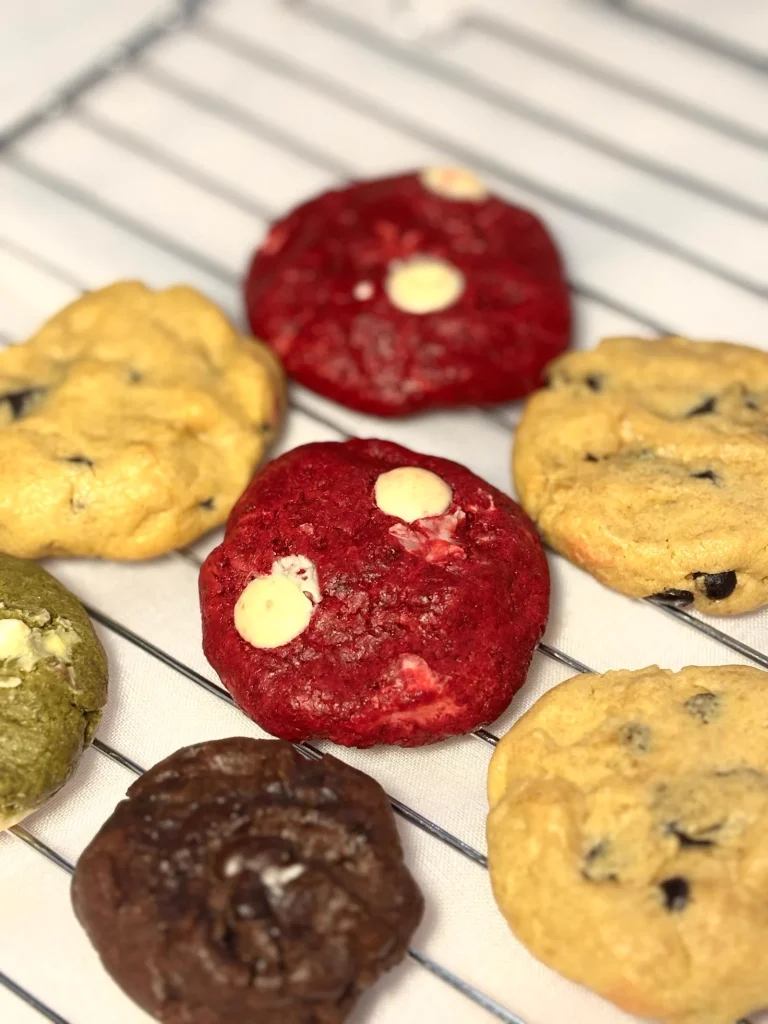
- Double chocolate chip cookies — swap ¼ cup of the flour for cocoa powder and use a mix of milk and dark chocolate chips. The cookies come out rich and dark, with a brownie-like centre.
- Walnut chocolate chip cookies — fold in 1 cup of chopped walnuts with the chocolate chips. The nuts add crunch and a toasty flavour that works beautifully with the brown sugar.
- Oatmeal chocolate chip cookies — swap 1 cup of the flour for rolled oats. The oats make the cookies heartier and give them a lovely chewy edge.
- Salted chocolate chip cookies — sprinkle a little flaky sea salt over the dough balls just before baking. The salt makes the chocolate taste stronger and the cookies taste more grown-up.
- White chocolate and cranberry cookies — swap the semisweet chips for white chocolate chips and add 1 cup of dried cranberries. The sweet-tart mix is perfect for the festive season.
- Peanut butter chocolate chip cookies — swap half the butter for smooth peanut butter. The cookies bake up softer and taste like a peanut butter cup in cookie form.
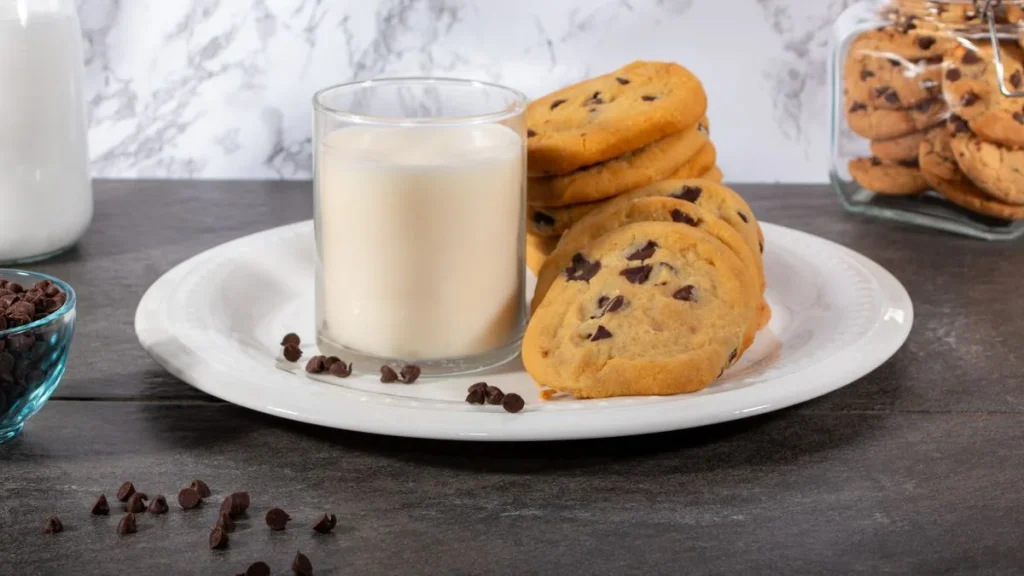
Serve the cookies warm with a glass of cold milk or a cup of tea, and they are a complete little dessert in themselves. They also work as party food: stack them on a plate next to our soft cookies for a cookie platter, and if you want more ideas in the same style, our best cookie recipes are the natural next batch. For a bigger baking day, our coconut chocolate bars make a no-bake partner that balances the oven work.
Storage and Make-Ahead Tips
These cookies are made for making ahead — they keep well, travel well, and taste just as good on day three as on day one.
- Room temperature: Store the cookies in an airtight container at room temperature for up to 5 days. They stay chewy the whole time, especially if you add a slice of sandwich bread to the container — the bread dries out first and the cookies stay moist.
- Freezer (baked): The baked cookies freeze very well for up to 1 month. Layer them between sheets of parchment paper in a freezer bag, and thaw them on the counter for about 20 minutes before eating.
- Freezer (dough): Roll the dough into balls and freeze them on a tray until solid, then move them to a freezer bag. Bake them straight from frozen, adding 2 extra minutes to the baking time. This is the easiest way to have warm, fresh cookies whenever you want them.
- Make-ahead: Make the dough up to 3 days ahead and keep it covered in the fridge. Let it sit on the counter for about 10 minutes before rolling, so it is soft enough to shape.
- Lunchboxes: The cookies hold their shape well in a lunchbox and stay chewy all day. Wrap each one in a small square of parchment paper so they do not stick together.
- Gifts: Stack the cookies in a small box or a jar lined with parchment paper, tie it with string, and they make a lovely homemade gift. A batch of 24 fills two small gift boxes nicely.
Pro Tips for the Best Chocolate Chip Cookies
- Use room-temperature eggs. Cold eggs do not mix evenly into the creamed butter, and the dough can look curdled. Set the eggs on the counter for 20 minutes before you start, or put them in a bowl of warm water for 5 minutes.
- Cream the butter properly. Two to three minutes of beating is the right amount — the mixture should look pale and fluffy, not just mixed. That trapped air is what makes the cookies light, and it is the step most people rush.
- Bake one tray at a time. The tray in the middle of the oven bakes the most evenly. If you bake two trays at once, swap them halfway through, or the tray on the bottom will brown faster than the one on top.
- Use parchment paper. Parchment paper helps the cookies bake evenly and stops them from sticking, and it makes cleaning up much easier. It also stops the bottoms from browning too fast, which keeps the cookies chewy.
- Check your oven temperature. Ovens often run hotter or cooler than the dial says, and a difference of 25 degrees is enough to turn chewy cookies into crisp ones. An inexpensive oven thermometer is the cheapest way to fix a baking problem you did not know you had.
- Let the dough rest if you have time. An hour in the fridge is good, and overnight is even better — the flavour deepens, the texture improves, and the cookies bake up thicker and more evenly. It is the single easiest upgrade in this whole recipe.
Frequently Asked Questions
Make Them Once, Then Make Them Your Own
That is our chocolate chip cookies recipe — one bowl, ten minutes in the oven, and a tin of cookies that stay chewy for days. Golden at the edges, soft in the middle, and full of melty chocolate in every bite.
Once you have made them the classic way, try your own twists: a spoonful of cocoa powder, a handful of walnuts, or a sprinkle of flaky sea salt on top. The recipe is a starting point, not a rule — and the best version is the one your family asks you to make again. For more simple recipes in the same style, browse our recipes page, try one of our quick meals for another fast idea, or pick up a new idea on our cooking tips page.