Best Cookie Recipes — 7 Favourites to Bake at Home
The best cookie recipes are the ones you come back to again and again: a soft chocolate chip cookie warm from the oven, a chewy oatmeal cookie with your afternoon tea, a peanut butter cookie that takes ten minutes to mix. This post collects seven of those keepers in one place, so you can pick the cookie that fits your mood, your pantry and your evening — and bake it well the first time.
Every recipe here uses everyday ingredients, one bowl or two, and no special equipment. Some are crisp, some are soft, some are chewy, and each one has its own small trick that makes it work. Read the guide first, then choose your cookie — or bake your way through the whole list, one batch at a time.
What Makes a Cookie Recipe One of the Best?
A great cookie recipe does four things. First, it is reliable: the same ingredients and the same method give you the same cookie every time, not a flat puddle one day and a dry rock the next. Second, it is simple: the steps are short, the ingredients are things you already have, and nothing in the method needs a mixer you do not own. Third, it is forgiving: a minute too long in the oven or a slightly warm kitchen should not ruin the batch. And fourth, it tastes like something — real butter, real vanilla, real chocolate — not just sweetness.
The seven cookies below pass all four tests. They are the most-baked cookies in home kitchens for a reason: each one is easy to learn, hard to get wrong, and good enough that people ask for the recipe.
The 7 Best Cookie Recipes to Bake at Home
Here they are, from the all-time classic to the quiet favourite that surprises everyone.
1. Classic Chocolate Chip Cookies
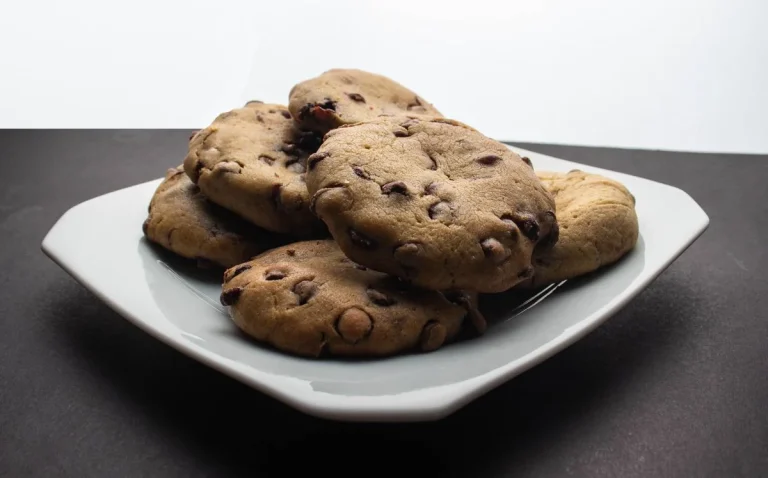
The cookie every other cookie is measured against. A good chocolate chip cookie has crisp, golden edges, a soft and chewy centre, and pools of melted chocolate in every bite. The secret is in the sugar: more brown sugar than white sugar gives a softer, chewier cookie with a deeper, toffee-like flavour, while a little white sugar keeps the edges crisp.
The best versions brown the butter first — which adds a nutty, toffee-like depth that plain melted butter cannot match, and they chill the dough for at least 30 minutes so the cookies bake thick instead of spreading flat. Take them out of the oven when the edges are set but the centres still look slightly soft — they finish cooking on the hot tray, and that is what keeps them chewy. A pinch of flaky sea salt on top is the finishing touch.
2. Chewy Oatmeal Cookies
Oatmeal cookies are the chewiest cookies on this list, and the most forgiving. Rolled oats hold moisture in the dough, so even a slightly overbaked batch stays soft, and the oats give the cookie a hearty, satisfying bite that plain flour cookies do not have. Cinnamon is the classic spice here, and raisins are the classic addition — though chocolate chips, dried cranberries or chopped walnuts all work just as well.
This is the cookie to bake when you want something that feels wholesome without tasting like health food. It packs well in a lunchbox, keeps for days, and is sturdy enough to survive a school bag or a car journey. Use old-fashioned rolled oats, not instant oats, for the best texture.
3. Peanut Butter Cookies
Peanut butter cookies are the fastest cookies on this list. The dough comes together in one bowl in about five minutes, needs no chilling, and the only shaping is rolling balls and pressing them with a fork to make the famous crisscross pattern. The cookies bake soft in the middle with lightly crisp edges, and the peanut butter flavour is front and centre.
Use regular creamy peanut butter, not the natural kind that separates — the oil in natural peanut butter makes the dough greasy and the cookies spread too much. For a richer version, press a chocolate kiss or a few chocolate chips into the centre of each cookie as soon as it comes out of the oven. Peanut butter cookies are also naturally gluten-free if you use a flour-free version, which makes them a good choice for mixed crowds.
4. Sugar Cookies
Sugar cookies are the blank canvas of the cookie world. The dough is simple — butter, sugar, egg, vanilla and flour — and the cookie itself is soft, pale and lightly sweet, which makes it the perfect base for decorating. Roll the dough out and cut shapes for holidays and birthdays, or roll it into balls and press them flat for a plain, everyday cookie.
The trick with sugar cookies is the temperature of the dough. Chill it well before rolling, work quickly so the butter stays cold, and bake just until the edges are set — a pale sugar cookie is a soft sugar cookie, and a golden one is a crisp one. A dusting of coloured sugar before baking is the easiest decoration there is.
5. Snickerdoodles
Snickerdoodles are soft, pillowy cookies rolled in cinnamon sugar, with a gentle tang that sets them apart from plain sugar cookies. That tang comes from cream of tartar, an old-fashioned ingredient that also keeps the cookies soft and gives them their characteristic crackled top. The cinnamon sugar coating goes on before baking, so every bite has a warm, spiced crust.
These are the cookies to bake for a crowd. They look impressive with almost no effort, they are loved by children and adults alike, and the dough is easy to make ahead and chill. A snickerdoodle is at its best the day it is baked, still slightly warm, with a glass of milk.
6. Shortbread Cookies
Shortbread is the simplest cookie on this list — butter, sugar and flour, nothing else — and proof that three ingredients can be enough when they are good ones. The texture is the point: crumbly, buttery and melting, with a clean flavour that lets the butter shine. Good shortbread snaps gently and then dissolves on the tongue.
Because the recipe is so short, the quality of the butter matters more here than anywhere else. Use real butter, not margarine, and use the best butter you can afford. Shortbread keeps beautifully for a week or more in a tin, which makes it the best make-ahead cookie on this list, and it is the natural partner for a cup of tea or coffee.
7. Double Chocolate Cookies
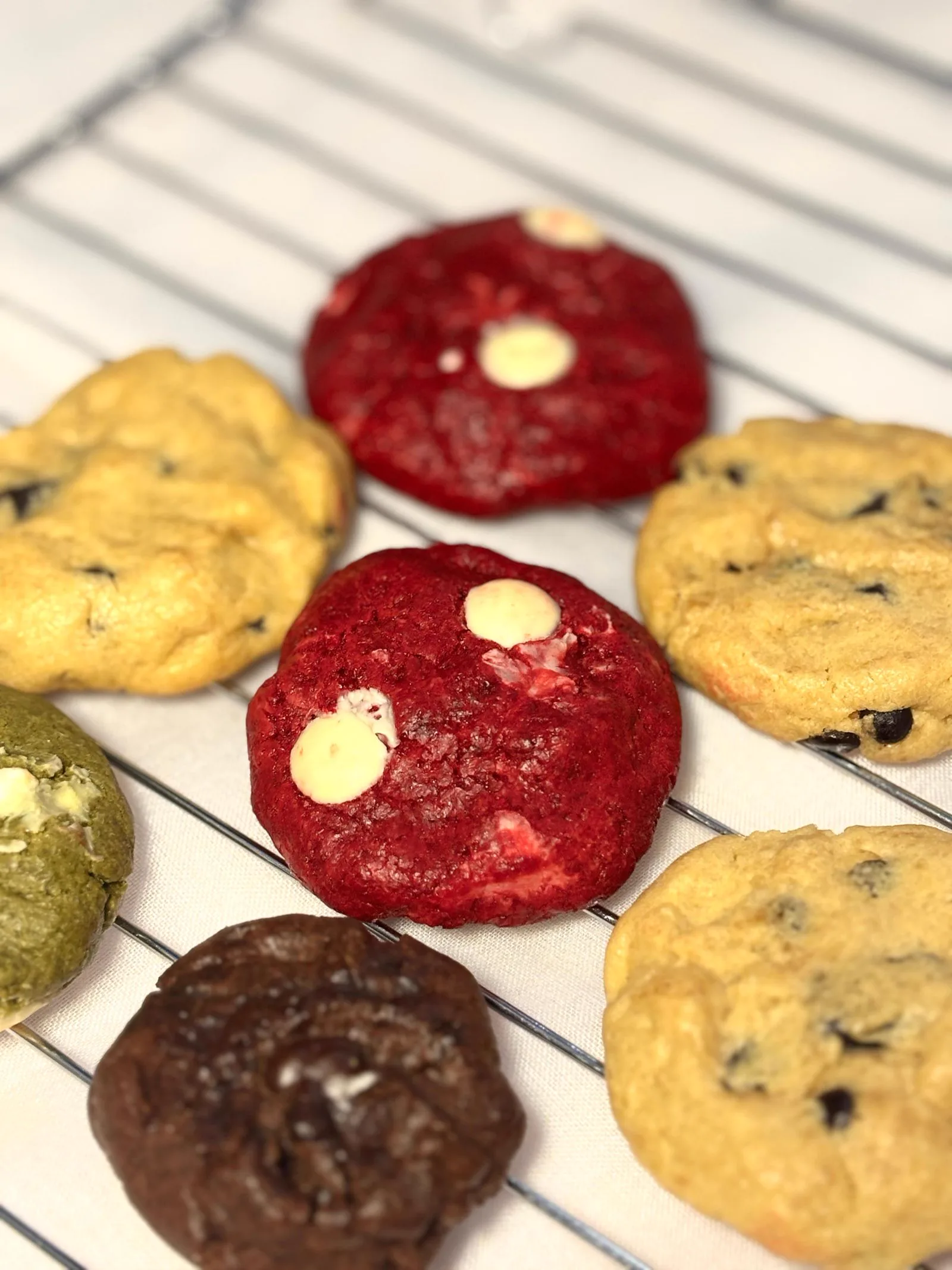
Double chocolate cookies are for the days when one kind of chocolate is not enough. Cocoa powder goes into the dough and chocolate chips — or chunks — go on top of that, so every bite is dark, rich and deeply chocolatey. The texture is soft and fudgy in the middle, almost like a brownie in cookie form, with slightly crisp edges.
The key is to use a good cocoa powder, because it carries the whole flavour. Natural cocoa gives a lighter, fruitier chocolate taste; Dutch-processed cocoa gives a darker, smoother one. Either works, but do not use drinking chocolate, which is mostly sugar. Add a pinch of salt and a few extra chocolate chips pressed on top before baking for a bakery-style finish.
The Ingredients Every Good Cookie Starts With
Almost every cookie on this list starts from the same small set of ingredients, which is why cookie baking is such a good habit to learn: once you know the base, you can make seven different cookies from one pantry.
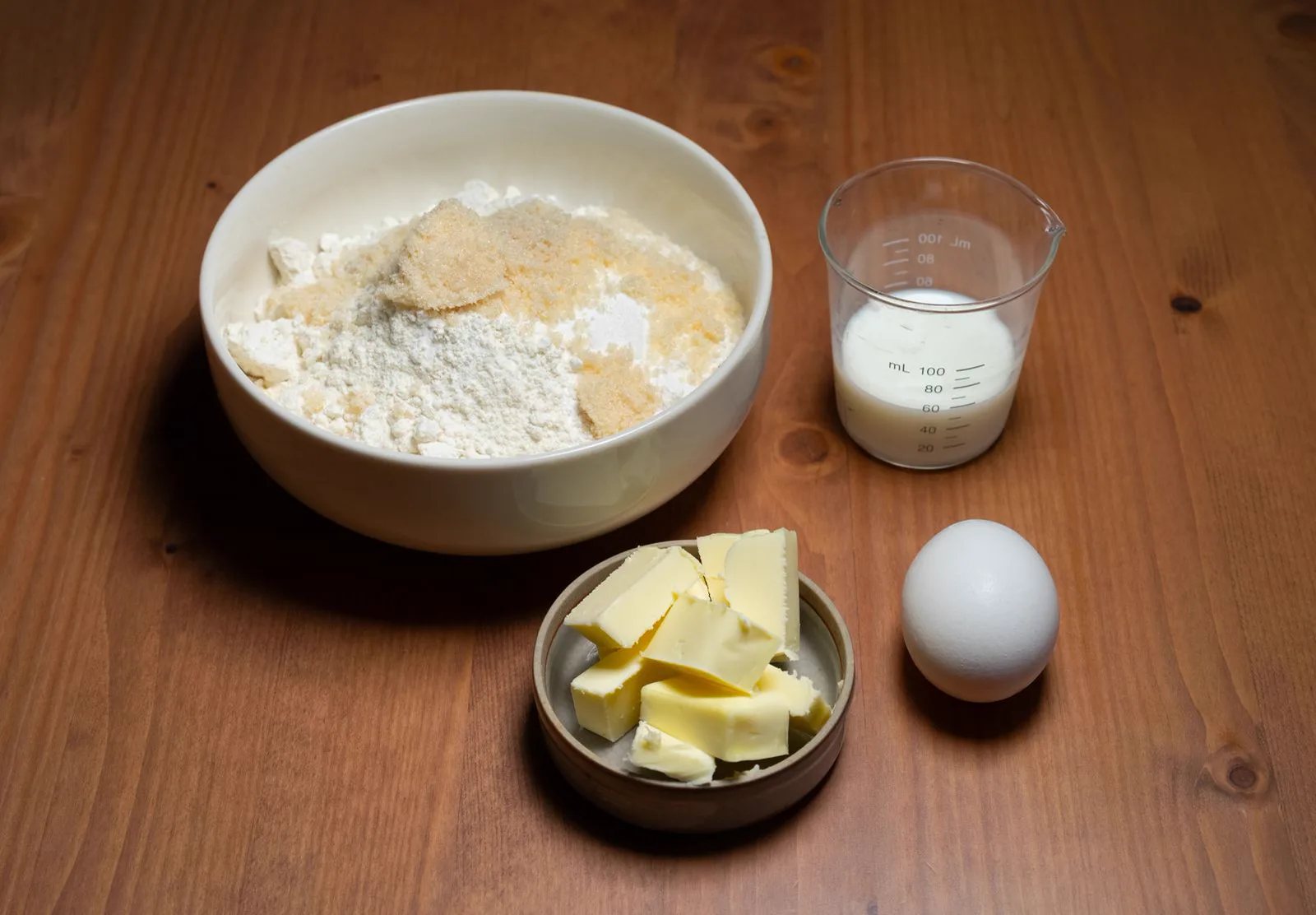
- Butter — the flavour and the texture. Softened butter creamed with sugar makes a light, even cookie; melted butter makes a chewier, denser one. Use real butter, unsalted if you can, and let it come to room temperature before you start.
- Sugar — brown sugar adds moisture, chew and a caramel note; white sugar adds crispness and spread. Most of the best cookie recipes use both, in different proportions, to control the texture.
- Eggs — eggs bind the dough, add richness and help the cookies rise slightly. One egg is enough for most batches, and an extra yolk makes a softer, richer cookie.
- Flour — plain (all-purpose) flour is the standard. Measure it by spooning it into the cup and levelling it off, never by scooping straight from the bag, which packs in too much flour and makes dry cookies.
- Baking soda and baking powder — baking soda spreads cookies and browns them; baking powder puffs them up. Most cookie recipes use one or the other, and the amount is small but important — measure it properly.
- Vanilla — a teaspoon of vanilla extract lifts the flavour of every cookie on this list. It is the one ingredient worth buying the real version of.
- Salt — a pinch of salt in the dough, and sometimes a pinch on top, makes the sweetness taste stronger and the chocolate taste richer. Never skip it.
Keep these seven things in the cupboard and you are never more than half an hour from a batch of cookies.
How to Bake Cookies That Stay Soft and Chewy
The recipe matters, but the method matters just as much. Follow these steps and your cookies will come out soft in the middle and golden at the edges, whichever recipe you choose.
Step 1: Cream the butter and sugar properly
- Beat softened butter with the sugars for 2–3 minutes until the mixture is pale, fluffy and smooth. This step whips air into the dough, which is what gives cookies their lift.
- Add the egg and vanilla and beat again until combined, scraping down the sides of the bowl once so nothing is left unmixed.
Step 2: Add the dry ingredients gently
- Stir the flour, baking soda or powder, and salt together in a separate bowl first, so the raising agent is spread evenly through the dough.
- Add the dry ingredients to the wet mixture and stir only until you cannot see flour any more. Overmixing develops the gluten in the flour and makes tough, flat cookies.
Step 3: Chill the dough
- Cover the dough and chill it for at least 30 minutes — an hour is better. Cold dough spreads less in the oven, so the cookies bake thicker and softer.
- Chilling also lets the flour absorb moisture from the eggs and butter, which deepens the flavour. If you are in a hurry, scoop the dough into balls first and chill those — they cool faster.
Step 4: Shape and space the cookies
- Roll the dough into balls about the size of a walnut and place them 2 inches apart on a parchment-lined baking tray. Cookies spread as they bake, and crowded cookies merge into one giant cookie.
- Press any mix-ins, like chocolate chips or nuts, onto the tops of the dough balls before baking — they look better on the finished cookie than the ones buried inside.
Step 5: Bake, and take them out early
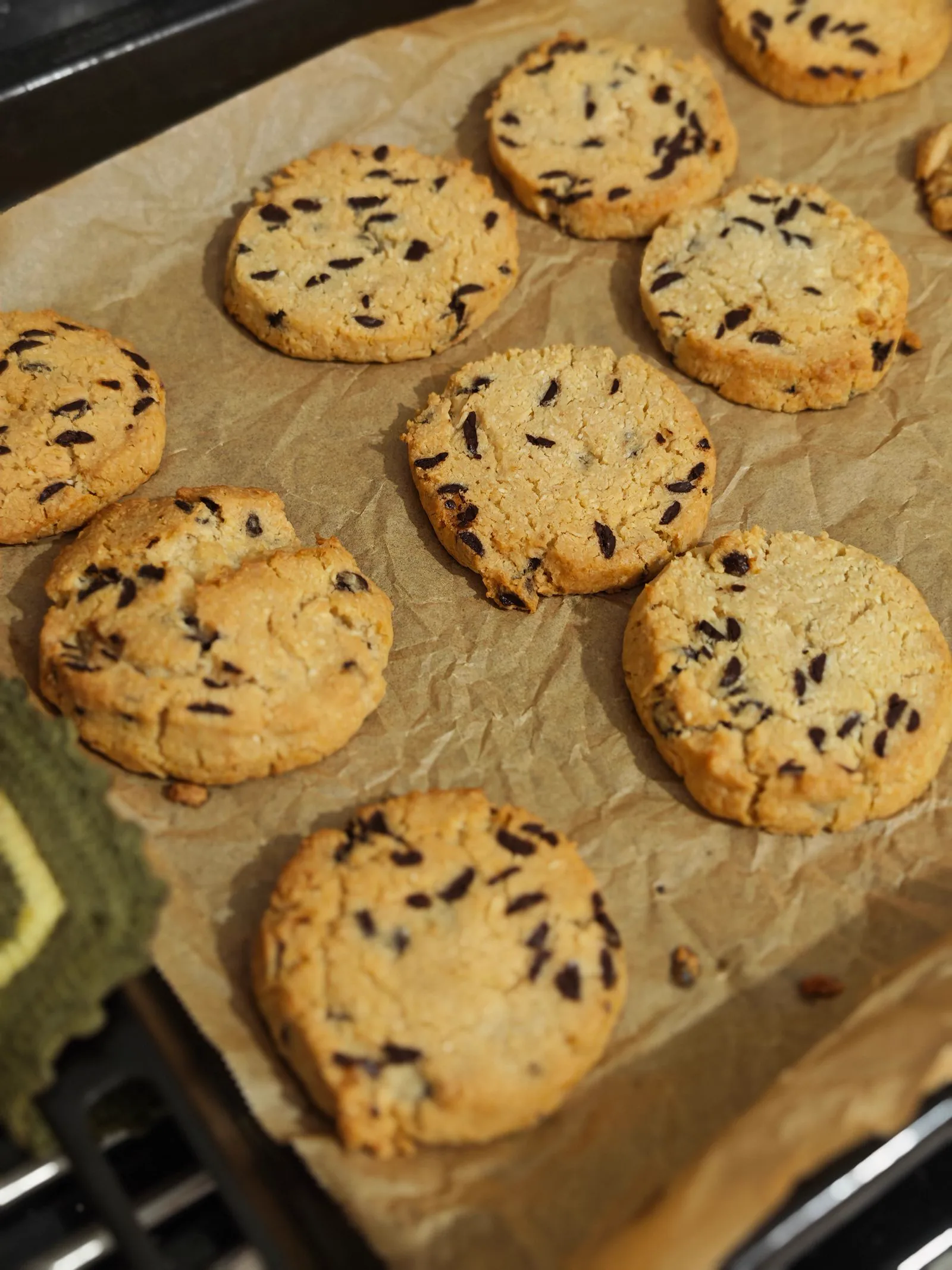
- Bake at 350°F (175°C) for 9–12 minutes, depending on the size of your cookies. The edges should be set and lightly golden; the centres should still look soft and slightly underdone.
- Leave the cookies on the hot tray for 5 minutes after they come out of the oven. They finish cooking from the tray’s heat, then move them to a cooling rack. Taking cookies out a minute early is the single easiest way to get a soft, chewy cookie.
Pro Tips for the Best Cookies
- Chill the dough. This is the one tip that improves almost every cookie recipe. Cold dough, hot oven, thick soft cookies.
- Weigh your flour if you can. A kitchen scale is more accurate than cups, and too much flour is the most common reason cookies turn out dry and cakey.
- Use a light-coloured baking tray. Dark trays absorb more heat and brown the bottoms of cookies too fast. If you only have dark trays, lower the oven temperature by 25°F (about 15°C).
- Line the tray with parchment paper. Cookies release cleanly, the tray stays clean, and the bottoms bake evenly.
- Bake one tray at a time. The middle rack of the oven bakes the most evenly. If you bake two trays at once, swap them halfway through.
- Do not overbake. Cookies keep cooking on the hot tray after they leave the oven. If they look done in the oven, they are already overdone.
- Cool them properly. Five minutes on the tray, then onto a rack. Cookies left on a hot tray go soggy; cookies moved too soon fall apart.
- Keep a consistent size. Use a cookie scoop or a tablespoon measure so every cookie is the same size and bakes in the same time.
- Store them right. A slice of bread in the cookie tin keeps cookies soft for an extra day or two, because the bread gives up its moisture to the cookies. For more ideas from serious bakers, King Arthur Baking’s top-ranked cookie recipes are worth a look — their most-loved cookies are chosen by thousands of home bakers.
Best Cookie Recipes at a Glance
| Cookie | Texture | Bake time | Difficulty | Best for |
|---|---|---|---|---|
| Chocolate chip | Soft centre, crisp edges | 10–12 min | Easy | Every occasion, first-time bakers |
| Oatmeal | Chewy, hearty | 10–12 min | Easy | Lunchboxes, keeping for days |
| Peanut butter | Soft middle, crisp edges | 9–11 min | Easiest | Quick baking, kids helping |
| Sugar cookies | Soft and pale | 8–10 min | Easy | Decorating, holidays, parties |
| Snickerdoodles | Soft, pillowy, spiced | 9–11 min | Easy | Crowds, bake sales, gifts |
| Shortbread | Crumbly, buttery | 12–15 min | Easy | Tea time, make-ahead, gifts |
| Double chocolate | Soft, fudgy, rich | 10–12 min | Easy | Chocolate lovers, cold days |
If you can only bake one, bake the chocolate chip cookie — it is the one everyone asks for. If you want the easiest win, bake the peanut butter cookie. And if you want the cookie that keeps the longest, bake the shortbread.
What to Serve With Cookies
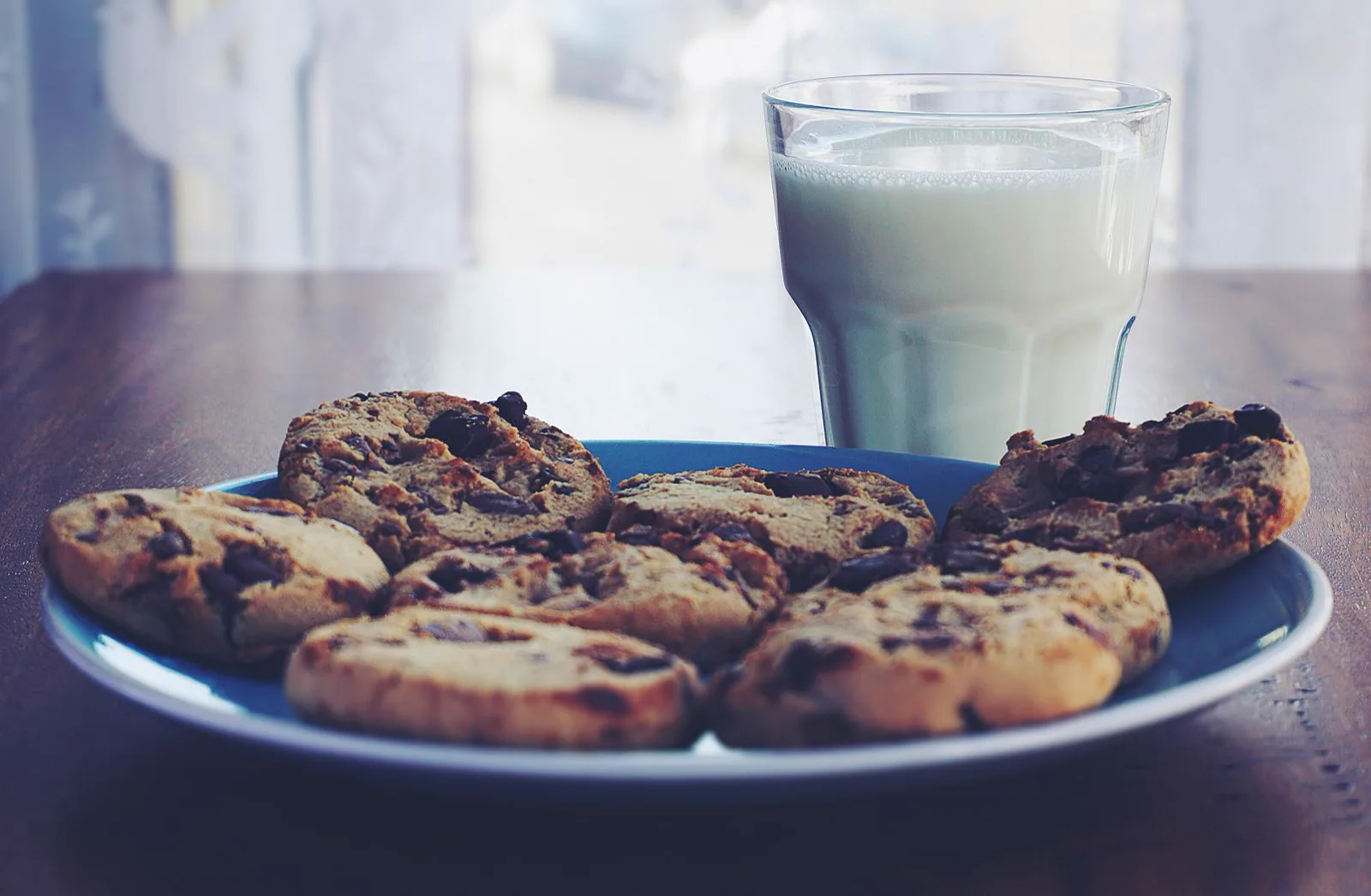
Cookies are at their best with something to drink and something to dunk. A glass of cold milk is the classic partner, and it works with every cookie on this list. Hot drinks are just as good: tea with shortbread, coffee with double chocolate cookies, hot chocolate with snickerdoodles on a cold evening.
For a dessert plate, serve two or three different cookies together — a chocolate chip, an oatmeal and a shortbread — with a scoop of vanilla ice cream or a spoonful of whipped cream. For a lunchbox, pack two cookies next to a sandwich; our breakfast sandwich works at lunch too, and a cookie tucked in beside it turns an ordinary packed lunch into something to look forward to.
Cookies also make a simple gift. Stack a dozen in a jar or a tin, tie it with ribbon, and you have a present that costs very little and means a lot. Our desserts page has more sweet ideas in the same simple style, if you want to build a whole dessert table around your cookies.
Storage and Freezing
Cookies keep best in an airtight tin or container at room temperature. Most of the cookies on this list stay fresh for 4–5 days, and shortbread keeps for a week or more. Keep soft cookies and crisp cookies in separate containers — stored together, the crisp ones go soft and the soft ones go stale.
To freeze baked cookies, let them cool completely, then freeze them in a single layer on a tray before moving them into a freezer bag. They keep for up to 3 months. Thaw them at room temperature for 20 minutes, or warm them in a low oven for 3–4 minutes to bring back the just-baked feeling.
Cookie dough freezes even better than baked cookies. Scoop the dough into balls, freeze them on a tray, then bag them. Bake straight from frozen, adding 2–3 minutes to the baking time — fresh cookies on demand, any night of the week.
Frequently Asked Questions
Bake Your Favourites, Then Make Them Your Own
That is our round-up of the best cookie recipes to bake at home — seven cookies, seven different textures, and one shared method that makes them all work. Start with the chocolate chip cookie, learn the rhythm of creaming, chilling and baking, and the rest of the list will feel easy.
Then make them your own. Swap the chocolate chips for dried cranberries, add orange zest to the shortbread, or press a thumbprint of jam into the sugar cookies. A good cookie recipe is a starting point, not a rule — and the best cookie is always the one you baked yourself. For more sweet baking in the same simple style, browse our desserts page and our cooking tips page, or see everything we have baked so far on our recipes page.