Soft Cookies — Easy Chewy Sugar Cookies Recipe
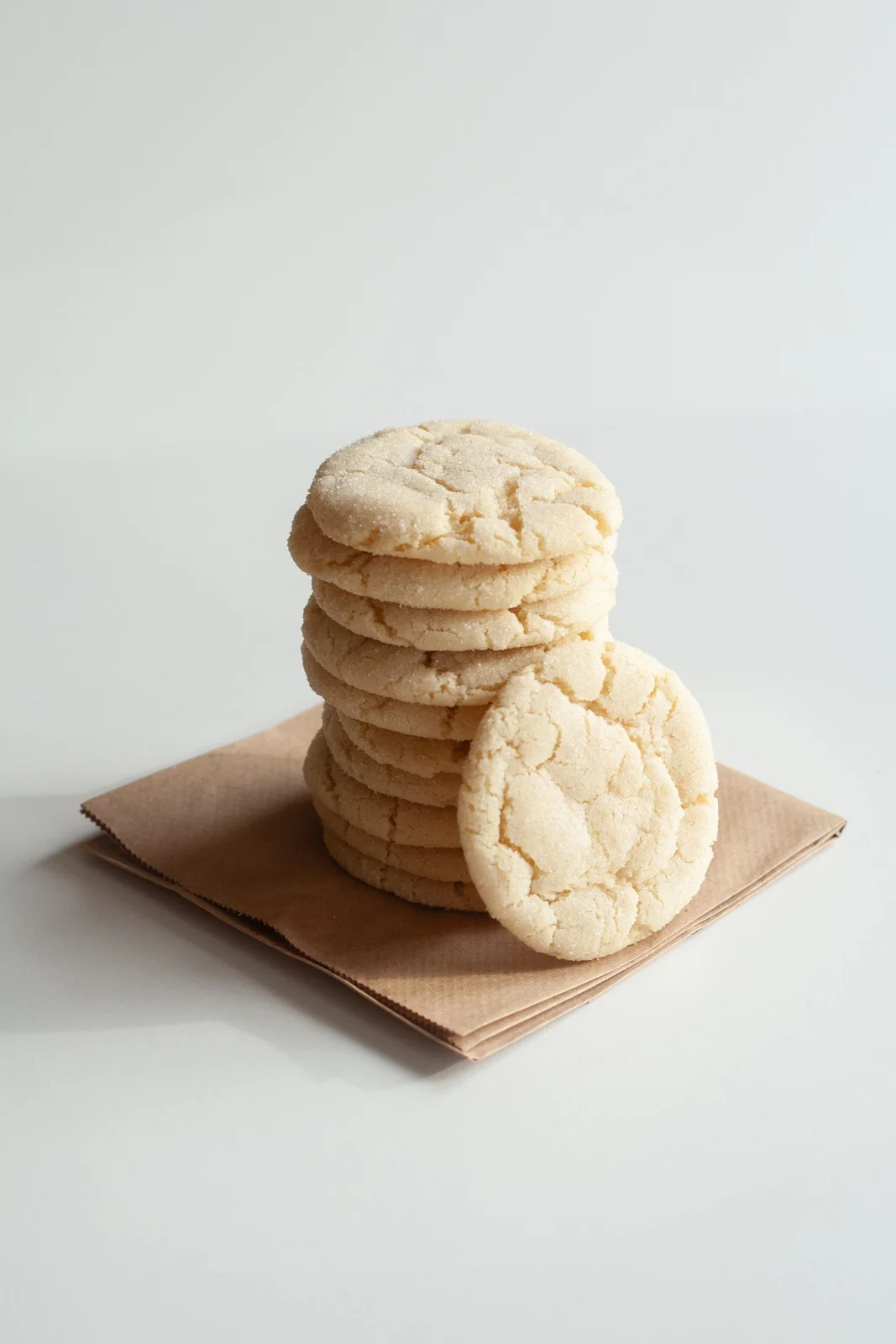
These soft cookies are the ones everyone asks for by name: pale and golden at the edges, thick and tender in the middle, with a gentle chew that stays soft for days. They are simple sugar cookies made the soft way — a little brown sugar for moisture, an extra egg yolk for richness, a spoonful of cornstarch for tenderness, and a short bake so the centres never dry out.
They are also the easiest cookies on this blog to make. There is no rolling pin, no cookie cutters and no decorating — just one bowl of dough, rolled into balls, rolled in sugar, and baked for ten minutes. If you can cream butter and sugar together, you can make these soft cookies, and once you have made them once, you will understand why a good soft cookie beats a fancy one every time.
Why These Soft Cookies Work So Well
A good soft cookie is not an accident — it is a recipe built for softness from the first ingredient. Every choice in this recipe pushes the texture in the same direction: towards a cookie that bends instead of snapping, and stays tender long after it has cooled.
The brown sugar is the first secret. Brown sugar contains molasses, and molasses holds on to moisture, so cookies made with brown sugar stay softer and chewier than cookies made with white sugar alone. The extra egg yolk is the second secret: the fat and moisture in the yolk make the crumb richer and more tender. The cornstarch is the third — a small spoonful keeps the crumb delicate and stops the cookies from turning tough. And the short bake is the fourth: the cookies come out of the oven while the centres still look soft, and they finish setting on the hot tray, so they never overbake into crispness.
They also fit the way most of us actually bake. The dough comes together in about fifteen minutes, chills for half an hour while the oven heats, and bakes in two quick trays. There is nothing to roll out and nothing to decorate, which makes them perfect for a weeknight treat, a lunchbox surprise, or a last-minute bake for unexpected guests.
The Ingredients You’ll Need
You only need a handful of everyday ingredients. Nothing here is hard to find, and most of it is probably in your kitchen already.
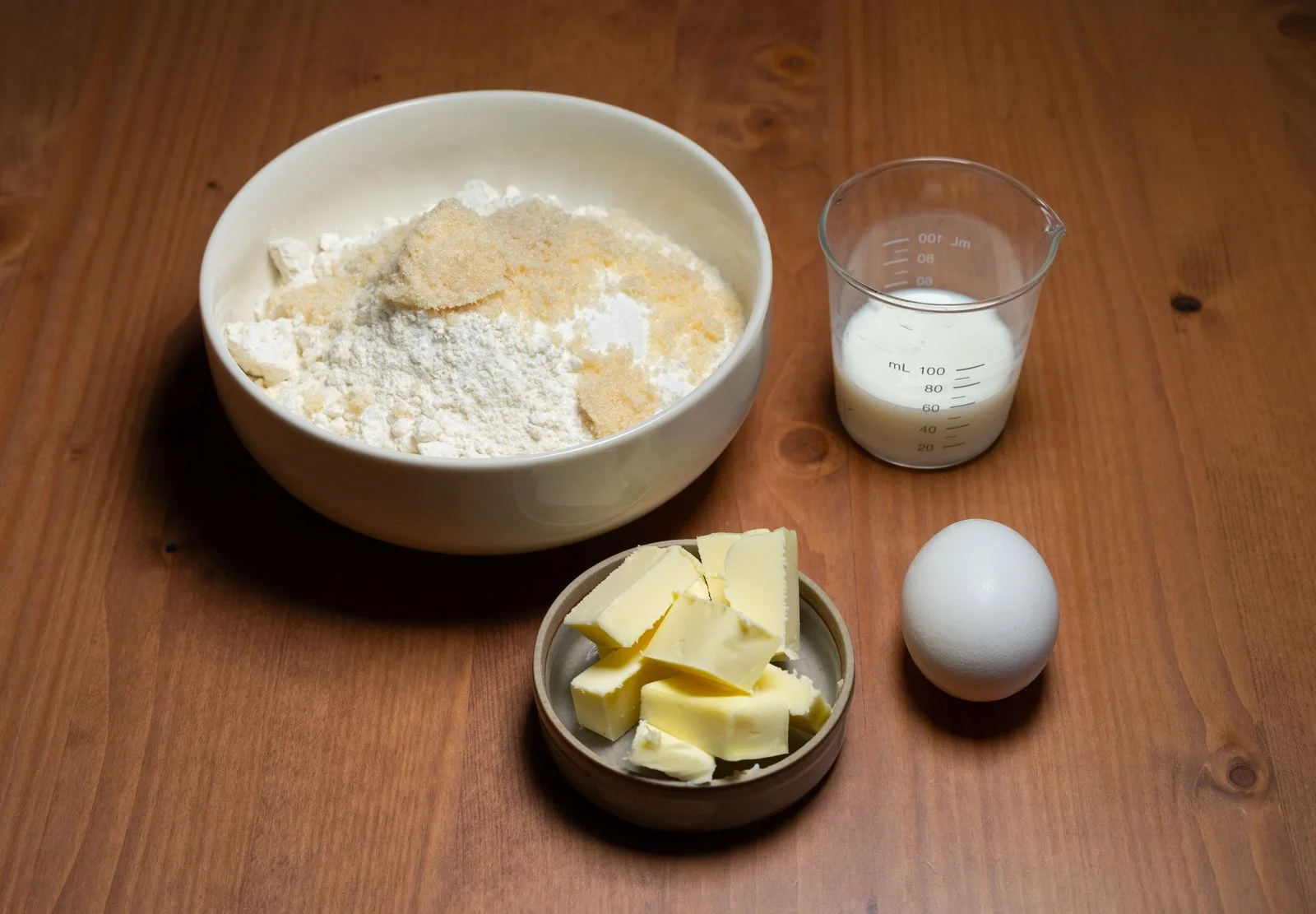
- All-purpose flour — 2½ cups (320 g), spooned and levelled. Spoon the flour into the measuring cup and level it off — scooping straight from the bag packs in too much flour, and too much flour is the most common reason cookies turn out dry and hard.
- Baking soda — 1 teaspoon. Baking soda helps the cookies spread a little and rise, and it works with the brown sugar to give the cookies their soft, chewy bite.
- Baking powder — ½ teaspoon. A small amount of baking powder helps the cookies puff up in the oven, so they stay thick instead of going flat.
- Cornstarch — 1 tablespoon. This is the quiet hero of the recipe. Cornstarch keeps the crumb tender and delicate, and it helps the cookies stay soft for days after baking.
- Salt — ½ teaspoon. Salt keeps the cookies from tasting flat. Butter, sugar and vanilla are all sweet, and a little salt makes all of them taste more like themselves.
- Unsalted butter — 1 cup (2 sticks, 225 g), at room temperature. The butter should be soft enough to press with a finger, but still hold its shape. If it is too soft or melted, the cookies will spread too much.
- Granulated sugar — 1 cup, plus ¼ cup extra for rolling. The granulated sugar gives the cookies their sweetness and their lightly crisp edges, and the extra sugar rolled on the outside gives them a pretty sparkle.
- Light brown sugar — ¼ cup, packed. This is what makes the cookies soft and chewy. The molasses in brown sugar holds moisture in the dough, so the cookies stay tender instead of drying out.
- Large egg + 1 egg yolk — at room temperature. The extra yolk adds fat and moisture, which is what makes the centres so rich and soft. Save the spare egg white for an omelette, or use it to brush the tops of the cookies before baking.
- Vanilla extract — 2 teaspoons. Vanilla is the main flavour here, so use a good one. It is the difference between a cookie that tastes homemade and a cookie that tastes like the shop.
- Milk — 3 tablespoons. A little milk loosens the dough just enough and adds moisture, which helps the cookies stay soft after baking.
That is the whole list — just real ingredients, and every one of them earns its place. For another take on the same idea, an easy sugar cookie method uses the same butter, sugar and egg base with lightly crisp edges and chewy middles, which is a good comparison if you want to see how small changes shift the texture.
How to Make Soft Cookies
There are four parts to this recipe: cream the butter and sugars, add the egg and vanilla, mix in the dry ingredients, then roll, chill and bake. The chilling step matters — cold dough spreads less in the oven, so the cookies stay thick and soft instead of going flat.
Step 1: Mix the dry ingredients
Whisk the flour, baking soda, baking powder, cornstarch and salt together in a medium bowl until they are evenly mixed. This takes less than a minute, and it matters: if the baking soda is not spread evenly through the flour, some cookies will rise more than others. Set the bowl aside.
Step 2: Cream the butter and sugars
Put the softened butter, granulated sugar and brown sugar in a large bowl. Beat them together with an electric mixer or a wooden spoon for 2–3 minutes, until the mixture is light, fluffy and pale in colour. Cream the butter and both sugars together and watch the mixture turn pale and fluffy — that change in colour tells you the butter has trapped enough air, and that air is what makes the cookies light instead of dense. Scrape down the sides of the bowl halfway through so everything mixes evenly.
Step 3: Add the egg, yolk, vanilla and milk
Add the egg, the extra egg yolk, the vanilla extract and the milk to the creamed butter and sugar. Beat until everything is smooth and combined, about a minute. The mixture should look creamy and even, with no streaks of egg left. If the mixture looks slightly curdled, do not worry — it will come together as soon as the flour goes in.
Step 4: Add the dry ingredients
Add the flour mixture to the bowl in two or three parts, mixing on low speed or stirring gently with a wooden spoon after each addition. Mix only until the flour disappears — stop as soon as you cannot see any dry flour. Overmixing is the fastest way to make tough cookies, because it works the gluten in the flour and turns a tender dough into a firm one. The finished dough should be soft, thick and slightly sticky.
Step 5: Chill the dough
Cover the bowl with cling film and put it in the fridge for at least 30 minutes, or up to 3 days. Chilling lets the flour absorb the moisture in the dough and lets the butter firm up again, so the cookies hold their shape in the oven instead of spreading into thin discs. If you are in a hurry, 30 minutes is enough — but an hour gives an even thicker, softer cookie.
Step 6: Roll the cookies in sugar
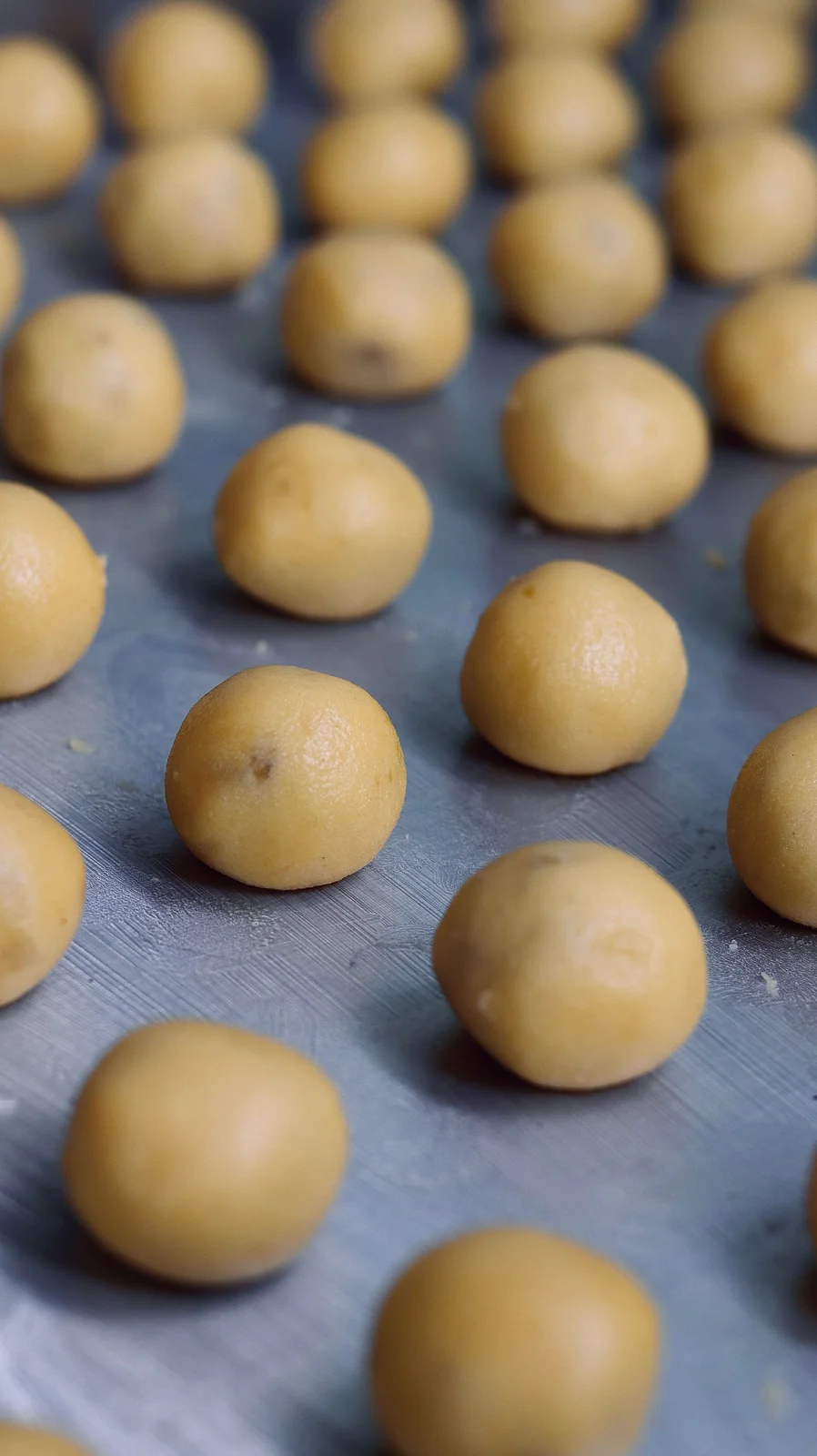
Heat the oven to 350°F (175°C) and line two baking sheets with parchment paper. Scoop the chilled dough with a tablespoon or a small cookie scoop, and roll each scoop into a smooth ball between your hands — about the size of a walnut, or roughly 2 tablespoons of dough. Roll each ball in the extra granulated sugar until it is lightly coated all over, then place the balls on the lined baking sheets, about 2 inches apart. The sugar coating gives the finished cookies a delicate sparkle and a very lightly crisp outside.
Step 7: Bake until the edges are set
Bake one tray at a time for 10–11 minutes, until the edges are set and just starting to turn golden, but the centres still look soft and slightly puffed. This is the most important moment in the whole recipe: take the cookies out while the centres still look underbaked. They will finish setting on the hot tray, and that is exactly what keeps them soft. Leave the cookies on the baking sheet for 5 minutes, then move them to a wire rack to cool completely.
Tips for Perfect Soft Cookies
A few small points make the difference between thick, tender cookies and flat, hard ones. These are the ones that matter most.
- Use more brown sugar than white sugar if you want extra chew. Brown sugar is the single biggest softness lever in the recipe. If your cookies ever come out too crisp, try swapping another 2 tablespoons of white sugar for brown sugar next time.
- Measure the flour properly. Spoon the flour into the cup and level it off with a knife. Scooping directly from the bag can add as much as a quarter cup of extra flour, and that extra flour is the most common reason homemade cookies turn out dry.
- Do not skip the chill. Cold dough spreads less, bakes thicker, and tastes better. Even 30 minutes in the fridge makes a visible difference — the cookies come out taller, with softer centres and more even edges.
- Do not overmix the dough. Once the flour goes in, mix only until it disappears. Overmixing builds gluten, and gluten makes cookies tough and flat instead of soft and tender.
- Take the cookies out early. The centres should still look soft and puffy when the tray comes out of the oven. The cookies keep cooking on the hot tray for several minutes after baking, and that carryover heat is what finishes them without drying them out.
- Cool them on the tray first. Five minutes on the baking sheet lets the cookies set enough to move without breaking, while the centres stay soft. Moving them to a wire rack too soon can break them; leaving them on the tray too long can overbake them.
Soft Cookies vs Crispy Cookies
People often ask what actually makes a cookie soft instead of crispy. It is not one thing — it is the whole recipe working together. Here is how the two styles compare.
| Feature | Soft Cookies | Crispy Cookies |
| Texture | Thick, tender centres that bend | Thin, snappy, and crunchy all the way through |
| Sugar | More brown sugar, for moisture | Mostly white sugar, for spread and crispness |
| Fat | Butter plus an extra egg yolk | Butter, often melted, for more spread |
| Flour | Measured carefully, never packed | Often more flour, for a firmer dough |
| Cornstarch | A spoonful, for a tender crumb | Usually none |
| Bake time | 10–11 minutes, centres still soft | 13–15 minutes, until golden all over |
| Cooling | 5 minutes on the tray, then a rack | Straight to a rack, so they crisp up |
| Storage | Airtight container, stays soft for days | Airtight container, stays crisp for days |
| Best for | Lunchboxes, gifts, and eating warm | Dipping in tea or coffee, and crumbling over desserts |
If you love a cookie that stays soft in the tin, the soft style is the one to bake. And if you ever want the crispy version, the same dough will do it — just use all white sugar, skip the cornstarch, and bake the cookies for three or four minutes longer.
Flavour Variations to Try
The base recipe is a starting point, and it takes new flavours very happily. A few combinations that work especially well:
- Lemon sugar cookies — add the finely grated zest of one lemon to the butter and sugar, and swap the vanilla for lemon extract. The zest lifts the whole cookie and makes it taste bright and fresh.
- Cinnamon sugar cookies — mix 1 teaspoon of ground cinnamon into the rolling sugar. The cookies come out with a warm, snickerdoodle-style coating and a gentle spice in every bite.
- Almond sugar cookies — swap ½ teaspoon of the vanilla for almond extract. Almond and butter are a classic pair, and the cookies taste like a bakery cookie with almost no extra effort.
- Sprinkle cookies — roll the dough balls in rainbow sprinkles instead of sugar before baking. Children love these, and they are the easiest party cookie you will ever make.
- Frosted sugar cookies — let the cookies cool completely, then spread them with a simple buttercream or cream cheese frosting and add sprinkles. The frosting keeps the cookies even softer, so they are best eaten within two days.
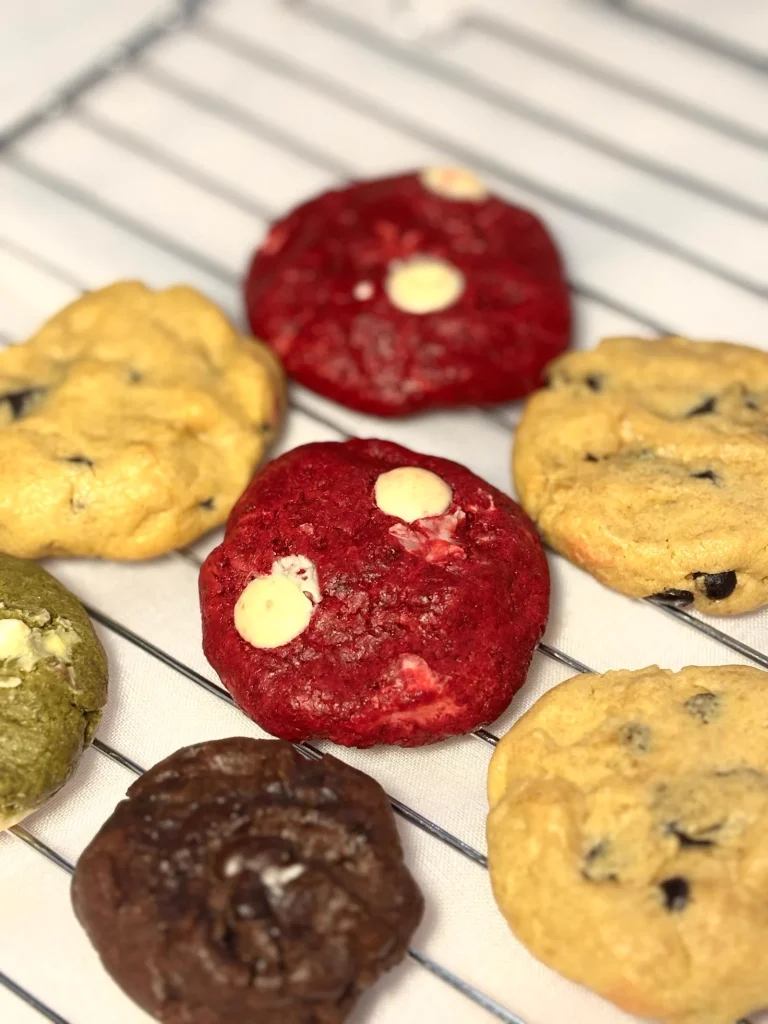
- Chocolate chip style — fold 1 cup of chocolate chips into the dough at the end of Step 4. The cookies stay soft and chewy, and the chocolate makes them a different cookie entirely — a good one to try once you have mastered the plain version.
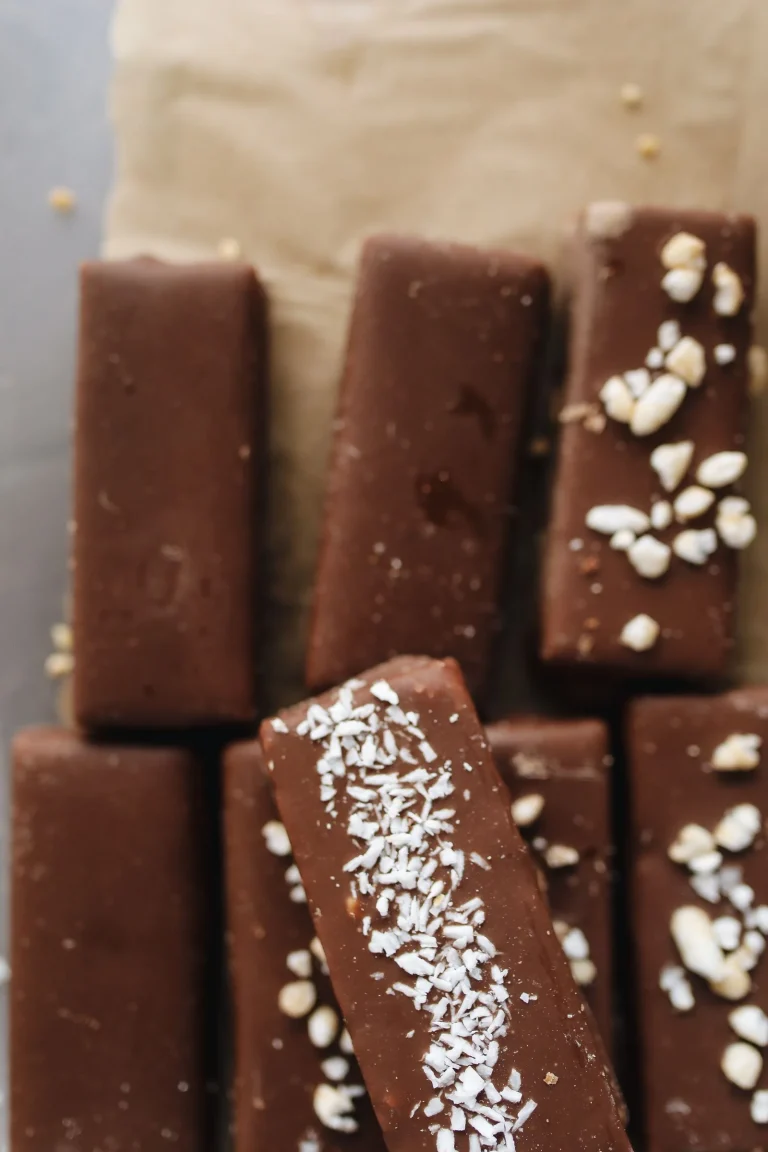
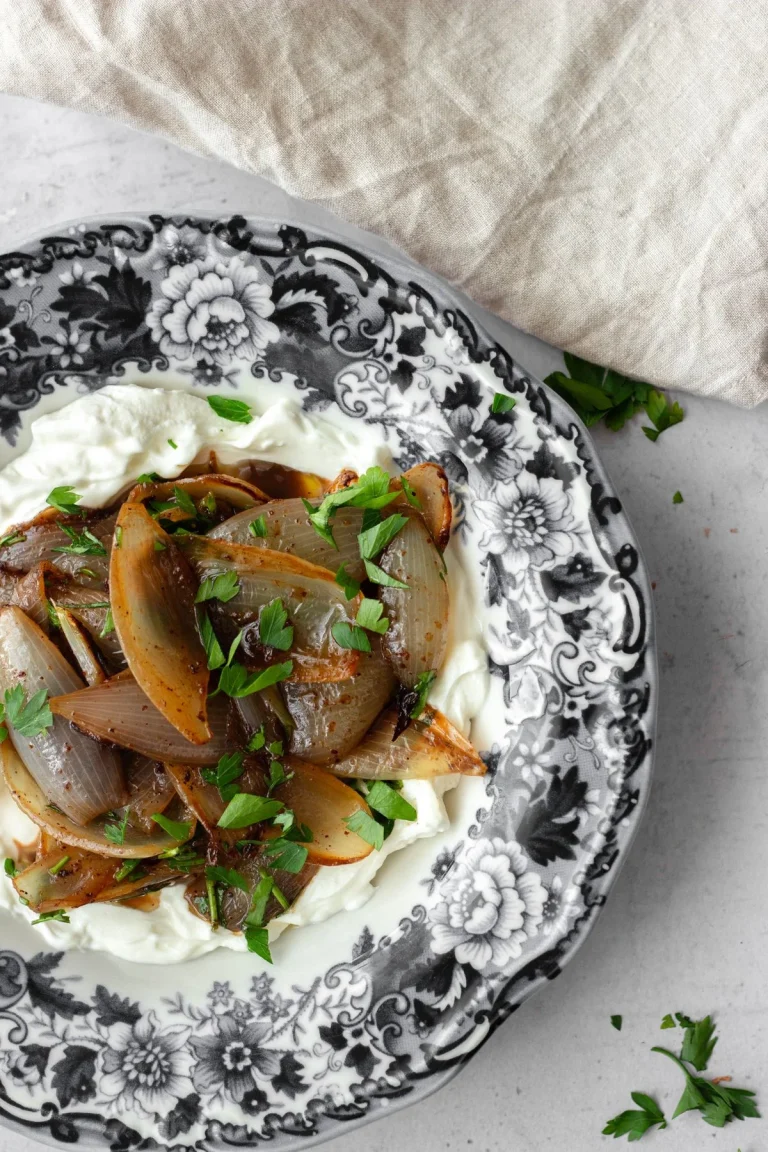
Serve the cookies warm with a glass of cold milk or a cup of tea, and they are a complete little dessert in themselves. They also work as party food: stack them on a plate next to our caramelized onion dip for a sweet-and-savoury spread, and if you want something baked to go with them, our best cookie recipes are the natural next batch. For a bigger baking day, our coconut chocolate bars make a no-bake partner that balances the oven work.
Storage and Make-Ahead Tips
These cookies are made for making ahead — they keep well, travel well, and taste just as good on day three as on day one.
- Room temperature: Store the cookies in an airtight container at room temperature for up to 5 days. They stay soft the whole time, especially if you add a slice of sandwich bread to the container — the bread dries out first and the cookies stay moist.
- Freezer (baked): The baked cookies freeze very well for up to 1 month. Layer them between sheets of parchment paper in a freezer bag, and thaw them on the counter for about 20 minutes before eating.
- Freezer (dough): Roll the dough into balls, roll them in sugar, and freeze them on a tray until solid, then move them to a freezer bag. Bake them straight from frozen, adding 2 extra minutes to the baking time. This is the easiest way to have warm, fresh cookies whenever you want them.
- Make-ahead: Make the dough up to 3 days ahead and keep it covered in the fridge. Let it sit on the counter for about 10 minutes before rolling, so it is soft enough to shape.
- Lunchboxes: The cookies hold their shape well in a lunchbox and stay soft all day. Wrap each one in a small square of parchment paper so they do not stick together.
- Gifts: Stack the cookies in a small box or a jar lined with parchment paper, tie it with string, and they make a lovely homemade gift. A batch of 24 fills two small gift boxes nicely.
Pro Tips for the Best Soft Cookies
- Use room-temperature eggs. Cold eggs do not mix evenly into the creamed butter, and the dough can look curdled. Set the eggs on the counter for 20 minutes before you start, or put them in a bowl of warm water for 5 minutes.
- Cream the butter properly. Two to three minutes of beating is the right amount — the mixture should look pale and fluffy, not just mixed. That trapped air is what makes the cookies light, and it is the step most people rush.
- Bake one tray at a time. The tray in the middle of the oven bakes the most evenly. If you bake two trays at once, swap them halfway through, or the tray on the bottom will brown faster than the one on top.
- Use parchment paper. Parchment paper helps the cookies bake evenly and stops them from sticking, and it makes cleaning up much easier. It also stops the bottoms from browning too fast, which keeps the cookies soft.
- Check your oven temperature. Ovens often run hotter or cooler than the dial says, and a difference of 25 degrees is enough to turn soft cookies into crisp ones. An inexpensive oven thermometer is the cheapest way to fix a baking problem you did not know you had.
- Let the dough rest if you have time. An hour in the fridge is good, and overnight is even better — the flavour deepens, the texture improves, and the cookies bake up thicker and more evenly. It is the single easiest upgrade in this whole recipe.
Frequently Asked Questions
Make Them Once, Then Make Them Your Own
That is our soft cookies recipe — one bowl, ten minutes in the oven, and a tin of cookies that stay soft for days. Pale and golden at the edges, thick and tender in the middle, and made from ingredients you already have in the kitchen.
Once you have made them the plain way, try your own twists: a spoonful of lemon zest, a cinnamon-sugar coating, or a handful of chocolate chips folded through the dough. The recipe is a starting point, not a rule — and the best version is the one your family asks you to make again. For more simple recipes in the same style, browse our recipes page, try one of our quick meals for another fast idea, or pick up a new idea on our cooking tips page.