Fluffy Pancakes Recipe
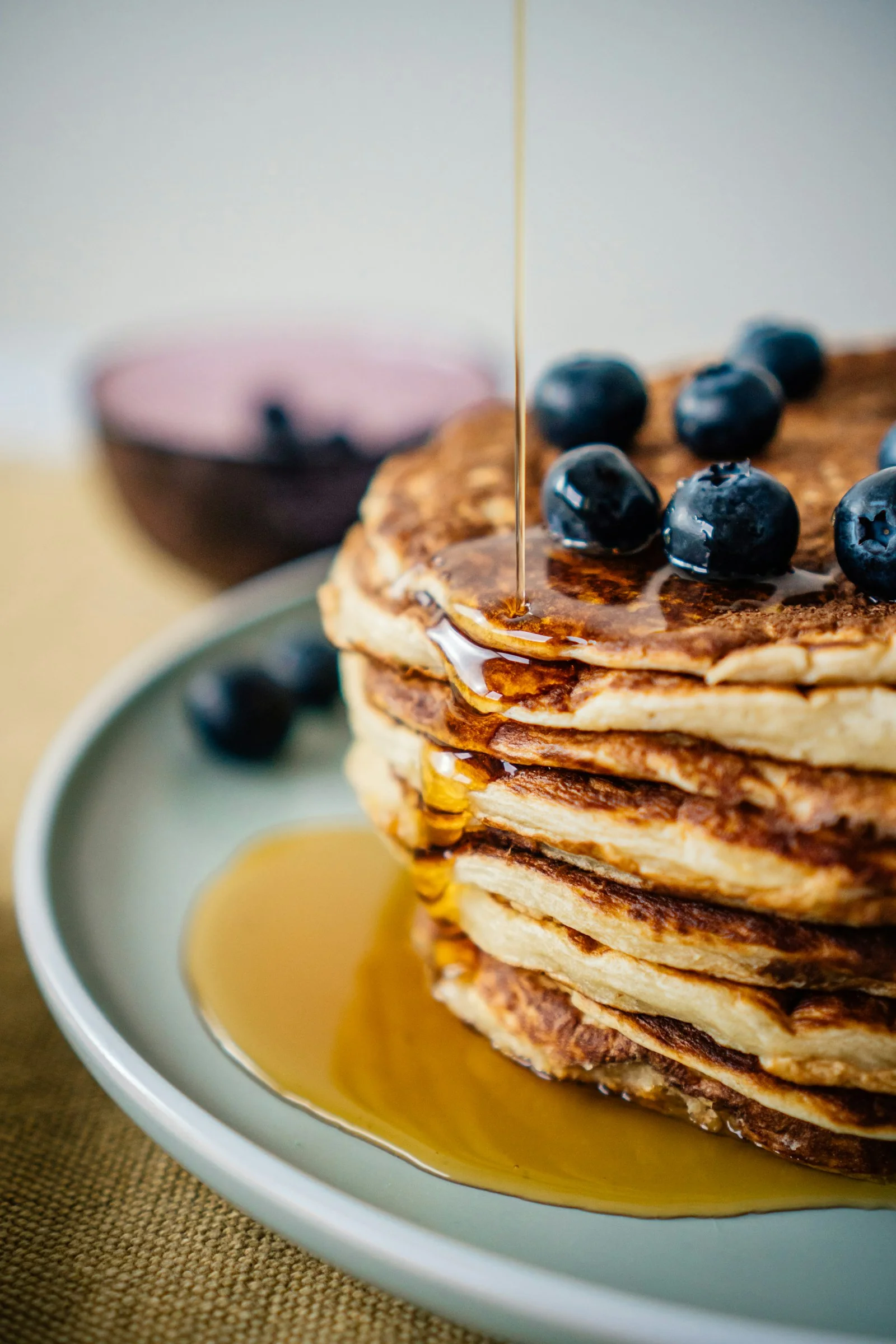
There is a particular kind of quiet that only a slow weekend morning has, and a stack of fluffy pancakes fits right into it. Golden on the outside, soft and airy in the middle, with butter melting into the top and syrup finding its way down the sides — this fluffy pancakes recipe is the one to learn by heart, because once you have it, you will never reach for a box mix again.
It takes about 30 minutes from start to finish, uses ordinary pantry ingredients, and needs no special equipment beyond a bowl, a whisk and a pan. If you can stir, you can make these.
Why This Fluffy Pancakes Recipe Works
Fluffy pancakes are not about a secret ingredient. They are about three small things working together: lift, rest, and a gentle hand.
The lift comes from baking powder and baking soda working with buttermilk. Buttermilk is slightly acidic, and that acidity wakes the baking soda up, producing tiny bubbles that puff the pancakes as they cook.
The rest matters just as much. Five quiet minutes after mixing lets the flour drink in the liquid and the last lumps soften on their own, so the batter bakes up light instead of dense.
And the gentle hand is the real secret. Stir the batter only until the flour disappears — a few small lumps are not a mistake, they are a promise. Over-mixing develops the gluten in the flour, and gluten is what turns a tender pancake into a rubbery one.
Ingredients for Fluffy Pancakes
This makes about 8 medium pancakes, enough for 4 people with 2 each. Double it easily for a crowd — just cook in batches and keep the finished ones warm.
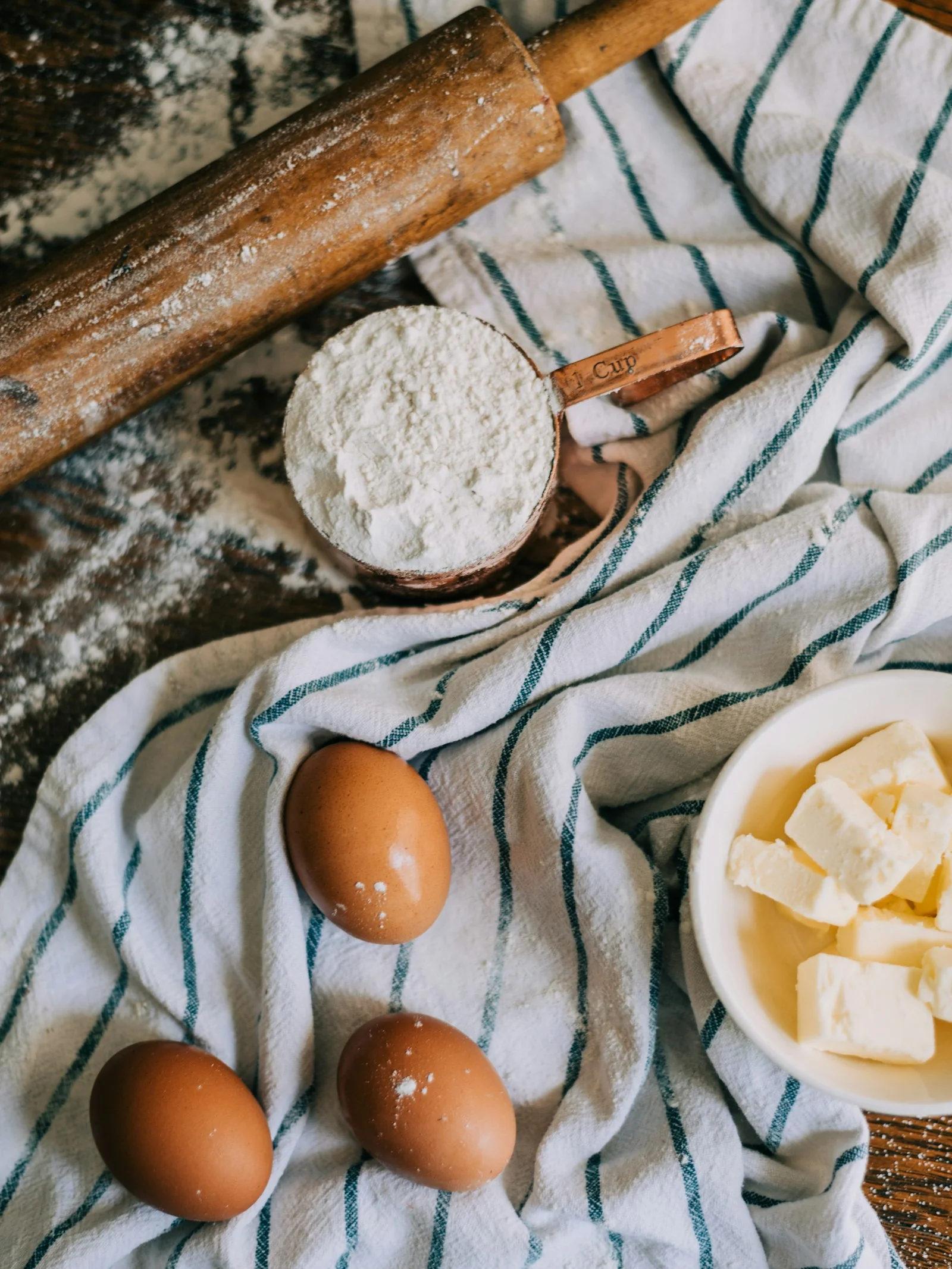
- 1½ cups (190g) all-purpose flour
- 1 tablespoon baking powder
- ½ teaspoon baking soda
- 1 tablespoon granulated sugar
- ½ teaspoon salt
- 1 cup (240ml) buttermilk
- 2 large eggs
- 2 tablespoons butter, melted and slightly cooled, plus more for the pan
- 1 teaspoon vanilla extract
No buttermilk in the fridge? Make your own in five minutes: stir 1 tablespoon of lemon juice or white vinegar into 1 cup of whole milk, leave it for 5 minutes until it thickens slightly, and use it exactly the same way. It works because the acid does the same job as real buttermilk — it reacts with the baking soda and keeps the crumb tender.
Two quick notes before you start. Check that your baking powder is fresh — if it is past its date, your pancakes will stay flat no matter how well you follow the recipe. And measure the flour by spooning it into the cup and levelling it off, rather than scooping straight from the bag, which packs in too much.
How to Make Fluffy Pancakes, Step by Step
Step 1: Whisk the dry ingredients
- In a large bowl, whisk together the flour, baking powder, baking soda, sugar and salt until evenly combined.
- Make a well in the centre — this makes the next step much easier to mix gently.
Step 2: Whisk the wet ingredients
- In a second bowl or large jug, whisk the buttermilk and eggs until smooth.
- Whisk in the melted butter and vanilla extract.
- If you are using the homemade buttermilk substitute, make it first and let it stand for 5 minutes before this step.
Step 3: Combine — gently
- Pour the wet mixture into the well in the dry ingredients.
- Stir with a wooden spoon or spatula just until no large streaks of flour remain. The batter should look thick, a little lumpy, and pourable — like thick cream.
- Stop stirring. Seriously. A few lumps are fine and will disappear in the pan.
Step 4: Rest the batter
- Leave the batter alone for 5 minutes while you heat the pan.
- You will notice it thicken slightly and a few bubbles appear on the surface. That is the leavening at work — a good sign.
Step 5: Cook the pancakes
- Heat a large non-stick skillet or griddle over medium heat. Add a small knob of butter and let it melt and foam, then wipe away any excess with kitchen paper.
- Ladle about ¼ cup of batter per pancake onto the pan, leaving space between them. Do not spread the batter; let it settle into its own round shape.
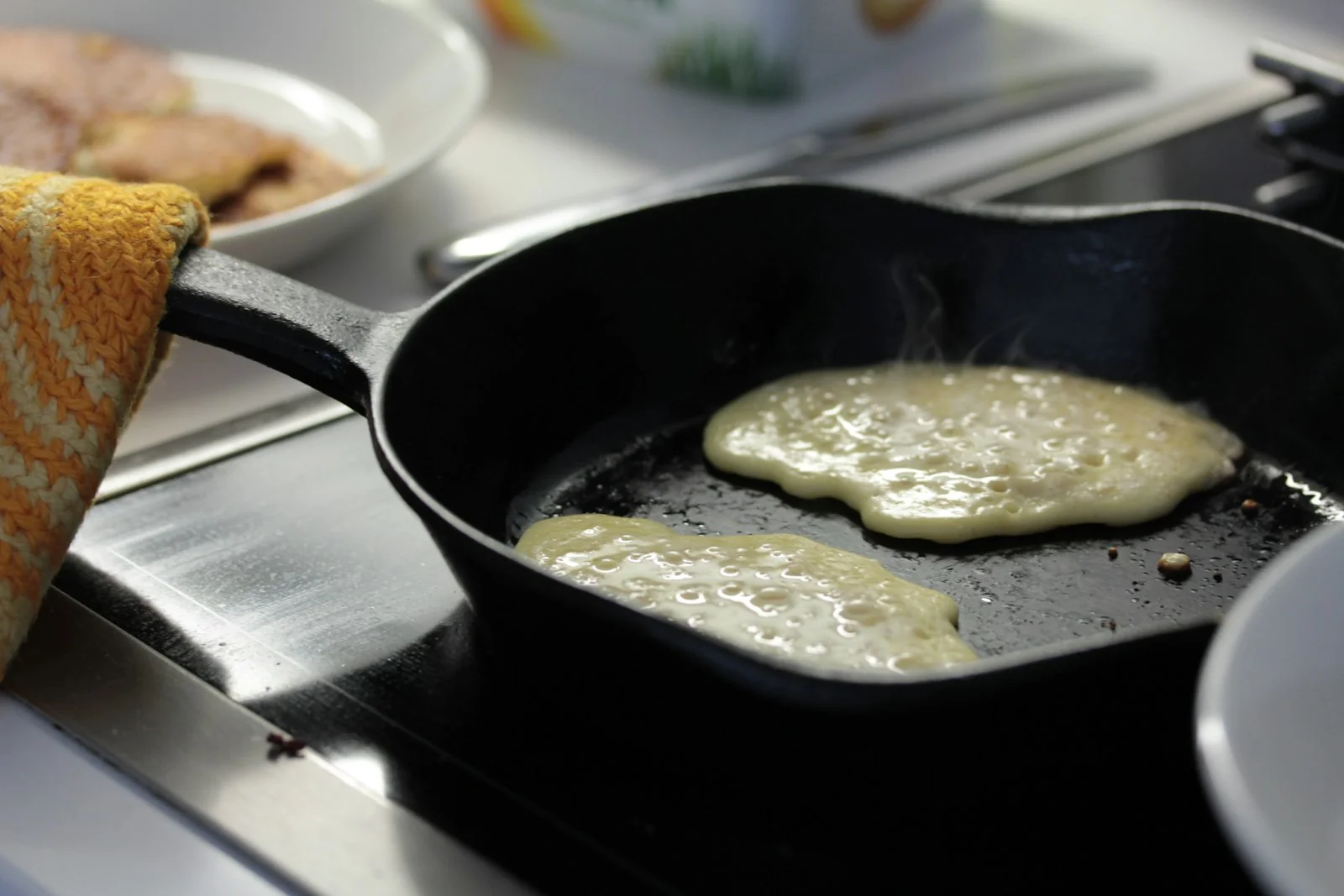
- Cook for 2–3 minutes, until bubbles appear across the surface, a few start to pop, and the edges look dry and set.
- Flip once, gently, with a wide spatula. Cook the second side for 1–2 minutes until golden brown.
- Move the finished pancakes to a warm plate and cover loosely with a clean tea towel while you cook the rest.
Step 6: Serve warm
- Stack them high, add a pat of butter, and pour over warm maple syrup.
- Serve straight away — pancakes are at their best in the first few minutes, when the outside is still crisp at the edges and the inside is soft and steaming.
Pro Tips for the Fluffiest Pancakes
- Do not over-mix the batter. This is the single biggest reason pancakes turn out flat and tough. Stir just until the flour disappears, then stop.
- Use fresh baking powder. Test it if you are unsure: drop half a teaspoon into hot water. If it fizzes energetically, it is still good. If it barely reacts, replace it.
- Keep the heat at medium. Too hot, and the outside burns before the inside cooks. Too cool, and the pancakes spread thin and pale. Medium heat, and patience, gives you golden edges and a cooked centre. For another take on the same method, see Budget Bytes’ tested homemade pancakes — the rest time and gentle mixing are the same.
- Flip only once. Every extra flip presses air out of the pancake. Wait for the bubbles, flip once, and leave it alone.
- Do not press down with the spatula. It feels helpful, but it squeezes out the very air bubbles that make the pancake fluffy.
Fluffy vs Flat: What Usually Goes Wrong
| Problem | Likely cause | Easy fix |
|---|---|---|
| Pancakes stay flat | Old baking powder, or batter over-mixed | Fresh baking powder; stir only until combined |
| Tough, chewy texture | Batter stirred too much | Stop at a few lumps; rest the batter 5 minutes |
| Burnt outside, raw inside | Pan too hot | Medium heat; test with one pancake first |
| Pale and thin | Pan too cool, or batter too runny | Let the pan heat fully; measure flour by spooning, not scooping |
| Uneven browning | Too much butter in the pan | Wipe the pan between batches; a thin film is enough |
| Pancakes stick | Pan not hot enough when batter goes in | Heat first, then butter, then batter |
What to Serve With It
A stack of pancakes is a complete breakfast on its own, but the toppings are half the fun. Warm maple syrup and butter is the classic, and honestly hard to beat. Fresh berries add colour and a sharp contrast to the sweetness. Sliced banana with a drizzle of honey is lovely, and a spoonful of Greek yoghurt on the side makes it feel a little more grown-up.
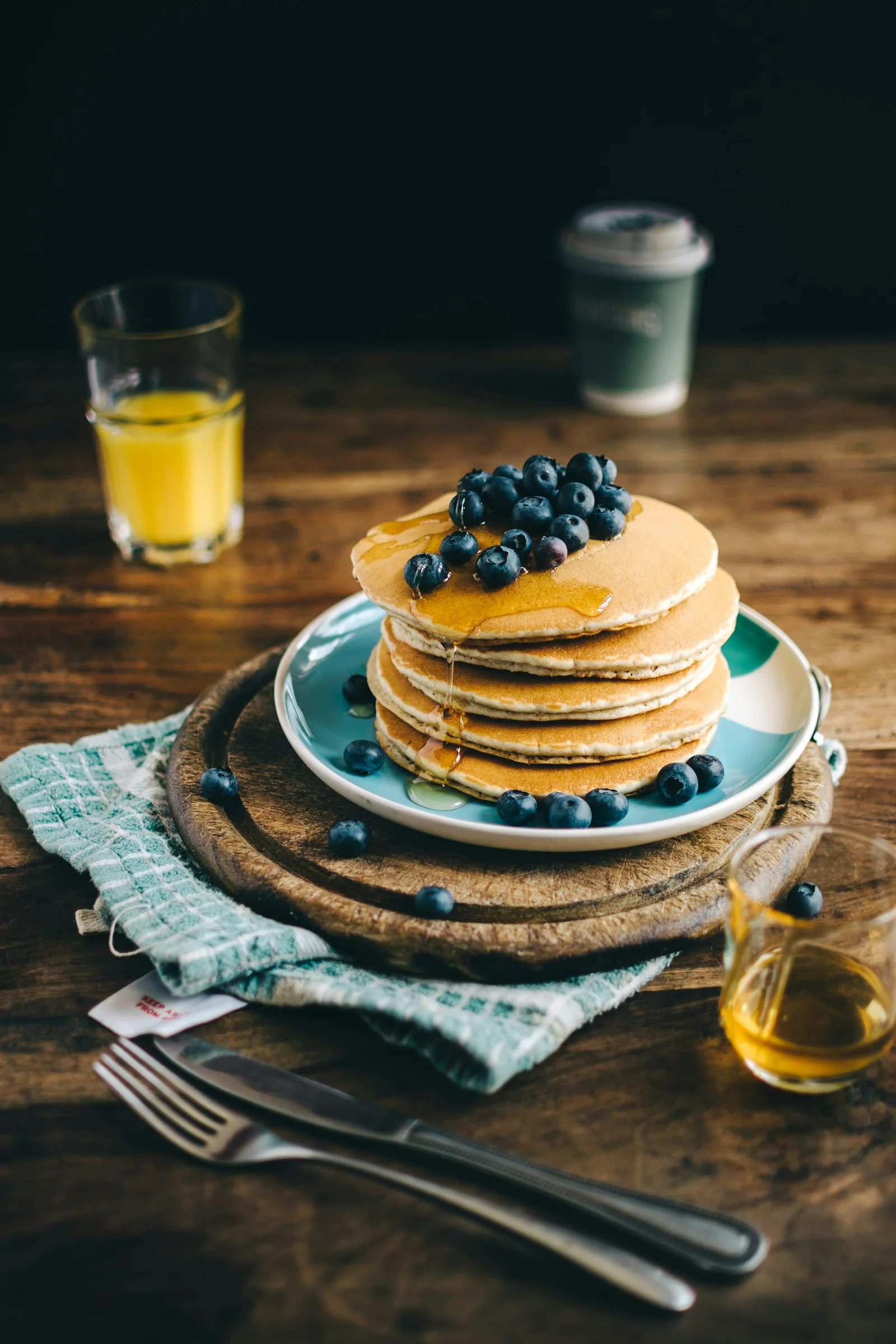
For a fuller weekend breakfast, serve the pancakes with crispy bacon or sausages and a pot of tea or coffee. For more ideas in this style, browse our breakfast ideas collection — and if dinner is more your mood tonight, our creamy garlic chicken penne is the same kind of simple, comforting cooking in a different direction.
Storage and Reheating
Leftover pancakes keep well, which is good news for busy mornings.
Store them in an airtight container in the fridge for up to 3 days, with a sheet of baking paper between the layers so they do not stick together. Reheat them in a toaster for a minute or two — this brings back a little crispness at the edges — or warm them in a low oven for 5 minutes.
They also freeze beautifully for up to 2 months. Cool them completely, stack with baking paper between each one, and seal in a freezer bag. Reheat straight from frozen in the toaster.
Frequently Asked Questions
A Slow Morning, Made Simple
That is our fluffy pancakes recipe — no box mix, no special skills, just a bowl, a pan, and five quiet minutes of resting that do all the hard work for you. Make them once this weekend and they will become one of those recipes you cook without looking at the page, the way the best recipes always do.
Before your next breakfast, have a look at our cooking tips page — it is full of the small habits, like resting batter and testing your baking powder, that make simple recipes like this one turn out well every time.