Cottage Cheese Pizza Crust — Easy, Cheesy and High in Protein
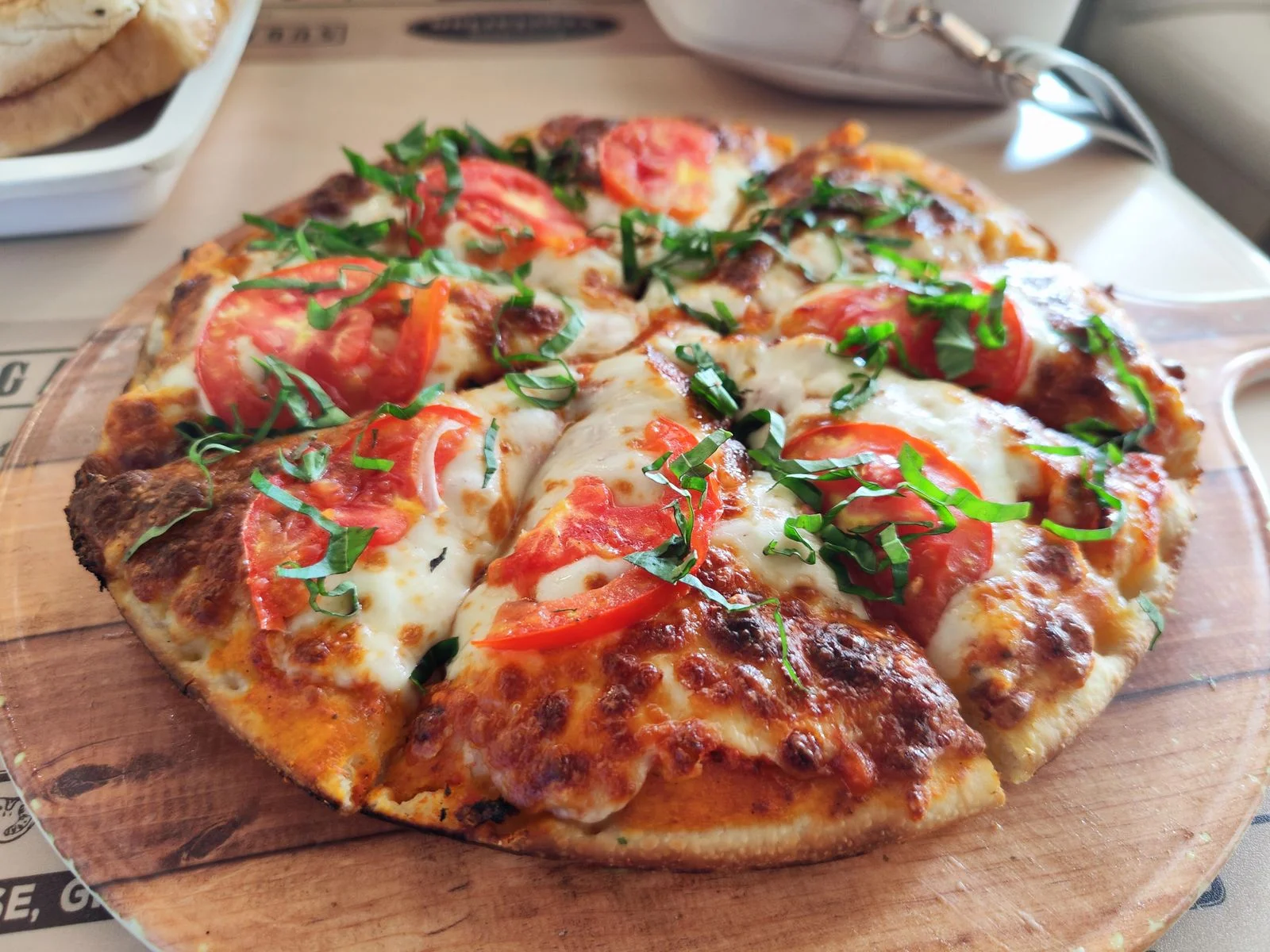
This cottage cheese pizza crust is the pizza night shortcut you did not know you needed. Three ingredients, no yeast, no kneading for ten minutes and no waiting for dough to rise. You mix cottage cheese with flour and baking powder, press it into a round, pre-bake it until golden, and top it like any other pizza. About thirty minutes after you start, you are eating a proper slice — crisp at the edges, soft in the middle, and far higher in protein than a normal pizza base.
It is also the recipe behind one of the biggest food trends of the last two years. The idea spread on TikTok because it genuinely works: blending the cottage cheese removes the curds completely, so the finished crust tastes like pizza, not like cottage cheese. Nobody at the table will guess what is in it unless you tell them — and most people will ask for the recipe before they ask what is in it.
Why This Cottage Cheese Pizza Crust Works So Well
A good pizza crust needs three things: a base that holds its shape, a flavour that stays out of the way of the toppings, and a method simple enough for a weeknight. This one has all three. The flour gives the crust its structure, so you can pick up a slice by hand. The cottage cheese keeps it soft and tender inside, and adds protein that a plain flour crust does not have. And the method is short: one bowl, one baking sheet, and no special equipment.
It also fits the way most of us actually cook. There is no yeast to proof, no dough to rest overnight, and no stand mixer. If you have cottage cheese in the fridge and flour in the cupboard, you are ten minutes away from a pizza base. It is the kind of recipe that earns a permanent place in your cooking, because it is fast, cheap, and always welcome — especially on nights when a delivery would take longer than making it yourself.
The Ingredients You’ll Need
You only need a handful of everyday ingredients. Nothing here is hard to find, and most of it is probably in your kitchen already.
- Cottage cheese — 1½ cups (340 g), full-fat or low-fat. This is the star of the recipe. Full-fat cottage cheese gives the richest flavour and the softest crumb; low-fat works too and keeps the pizza lighter. Small curd or large curd both work, because the cheese gets blended smooth.
- All-purpose flour — 1½ cups, plus 2–3 tablespoons for dusting. The flour turns the blended cottage cheese into a dough you can shape. Wholewheat flour also works, though the crust will be a little denser.
- Baking powder — 1½ teaspoons. This is what makes the crust rise lightly without any yeast. Do not skip it, and check that your baking powder is still in date — old baking powder gives a flat, heavy crust.
- Salt — 1 teaspoon. The crust needs salt, because cottage cheese on its own is quite mild. The salt brings out the flavour of the whole pizza.
- Olive oil — 1–2 tablespoons. A little oil brushed over the crust before baking helps it turn golden and crisp, and keeps the top from drying out.
- Pizza sauce — ½ to ¾ cup. Any tomato pizza sauce or marinara works. Use less than you think — a thin layer is enough, and too much sauce is the fastest way to a soggy middle.
- Mozzarella cheese — ¾ cup, shredded. Low-moisture mozzarella melts best and keeps the pizza from going watery. A little grated Parmesan on top adds extra flavour.
- Toppings of your choice — fresh basil, cherry tomatoes, pepperoni, mushrooms, peppers, or whatever is in the fridge.
That is the whole list. No yeast, no sugar, no long ingredient list — just real ingredients, and the cottage cheese does the heavy lifting.
How to Make Cottage Cheese Pizza Crust
There are two parts to this recipe: make and shape the dough, then pre-bake it before adding the toppings. The pre-bake is the step that makes the difference between a crisp crust and a soft one, so do not skip it.
Step 1: Blend the cottage cheese
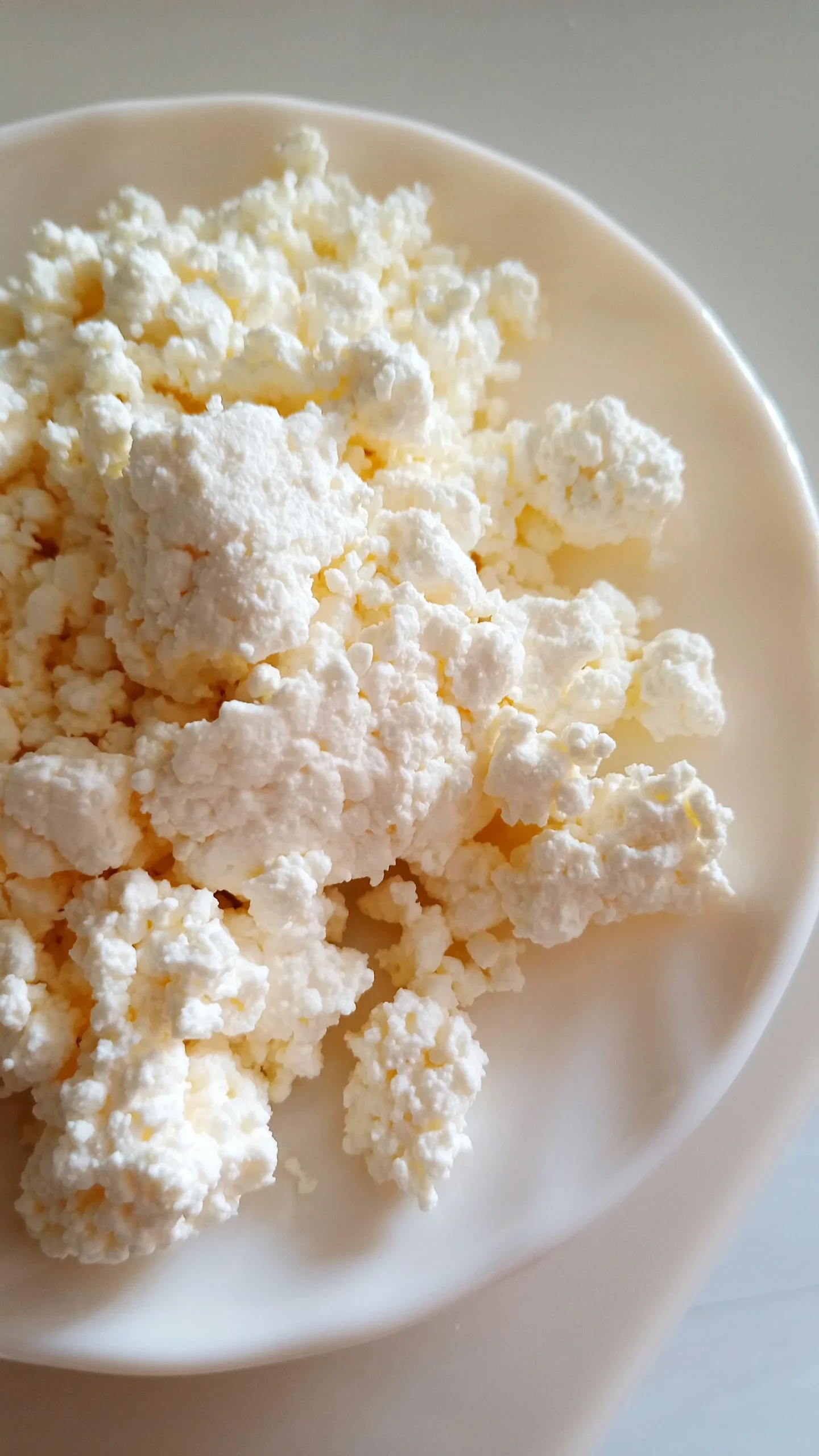
Add the cottage cheese to a blender or food processor and blend for 30–60 seconds, until it is completely smooth and creamy, with no curds left at all. Scrape down the sides once halfway through. This step is the whole trick: an under-blended base bakes up lumpy, while a fully blended one gives a smooth, even crust that nobody will recognise as cottage cheese.
Step 2: Mix the dough
Tip the blended cottage cheese into a large bowl. Add the flour, baking powder and salt, and stir with a spoon until a soft dough starts to come together. It will be thick and a little sticky at first — that is normal. Use a tablespoon or two of extra flour on your hands and on the work surface to make it easier to handle, and knead it briefly, just until it forms a smooth ball.
Step 3: Shape the crust
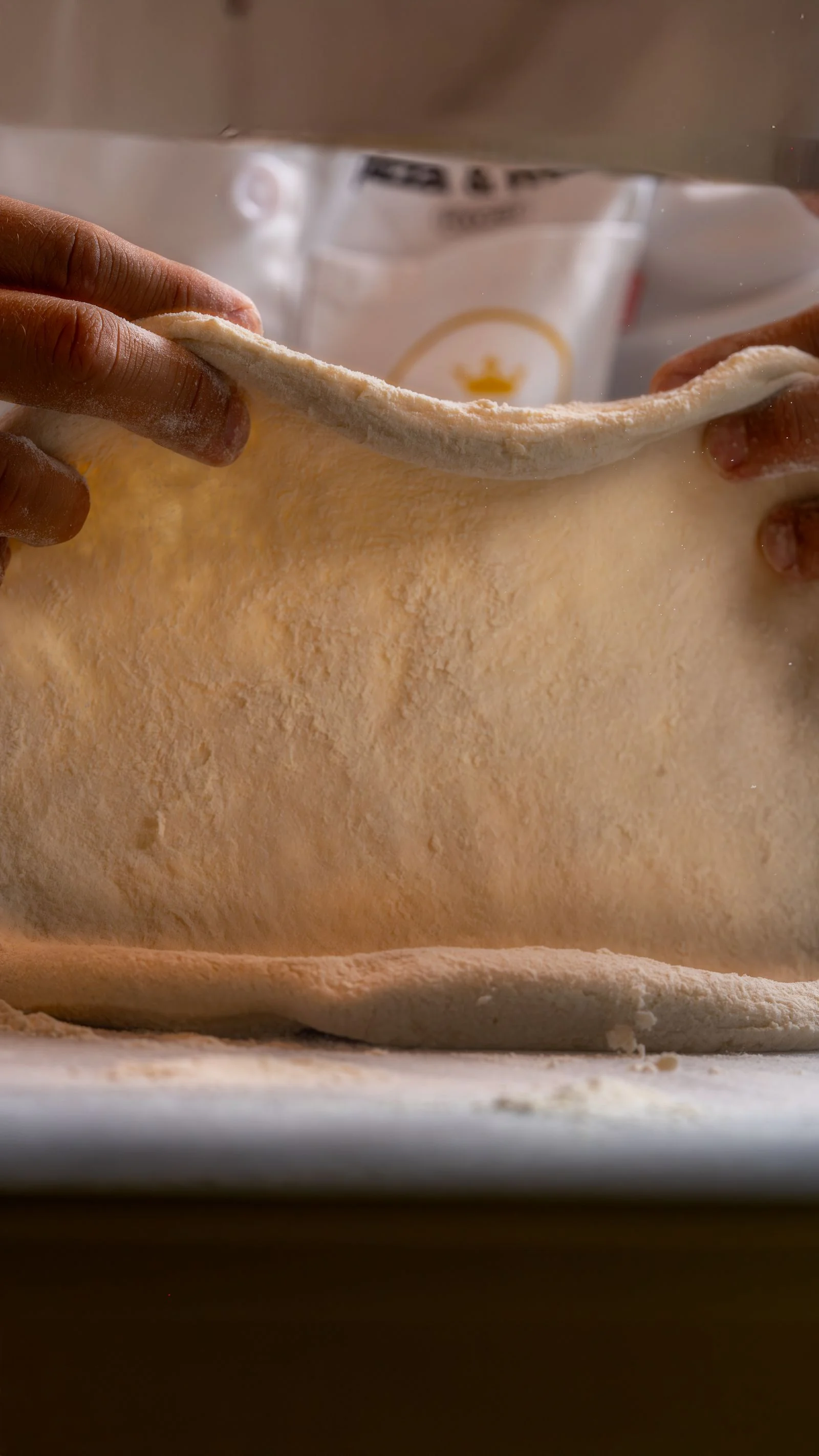
Line a baking sheet or pizza pan with parchment paper. Place the dough in the centre and press it out with your hands into a round about 12 inches across, with the edge slightly thicker than the middle. A rolling pin works too, but your hands give you more control over the thickness. If the dough sticks, dust it with a little more flour. Brush the top lightly with olive oil.
Step 4: Pre-bake the crust
Bake the bare crust in a preheated oven at 450°F (230°C) for 10 minutes, on the highest rack. It will puff up slightly and turn pale gold at the edges. This pre-bake sets the crust so it stays firm under the sauce and toppings — the single most important step for a crisp result.
Step 5: Top and bake again
Take the crust out of the oven. Spread the pizza sauce over it, leaving a small bare rim around the edge. Scatter over the mozzarella and Parmesan, then add your toppings. Bake for another 5–8 minutes, until the cheese has melted and the edges are deeply golden. For extra colour, switch the oven to broil for the last 2–3 minutes — but stay close, because the cheese goes from golden to burnt very quickly. Let the pizza rest for 5 minutes before slicing, so the cheese sets and the slices hold together.
How to Keep the Crust Crispy
A soggy middle is the one thing that can spoil this pizza, and it is easy to avoid. These are the points that make the difference between a crisp, sliceable crust and a soft one.
- Blend the cottage cheese completely smooth. Any curds left in the dough release moisture as they bake, and that moisture is what makes a crust soggy. Blend until it looks like thick cream.
- Do not skip the pre-bake. A bare crust bakes dry and firm in ten minutes. A topped crust cannot do that, because the sauce and cheese trap the steam. Pre-baking is what keeps the base crisp.
- Use a thin layer of sauce. Half a cup is plenty for a 12-inch pizza. Spread it thinly and leave a bare rim — a thick pool of sauce in the middle will soak straight through.
- Choose low-moisture mozzarella. Fresh mozzarella in water looks lovely, but it releases liquid as it melts. Low-moisture shredded mozzarella melts just as well and keeps the pizza dry.
- Bake on the top rack. The top of the oven is the hottest part, and it browns the cheese and the crust edges fastest. A pizza baked low in the oven stays pale underneath.
- Watch the last few minutes. It helps to watch the crust closely in the last few minutes of the pre-bake and the final bake, because that is when it goes from pale gold to deeply golden quickly. Take it out as soon as the edges are a rich, even brown — a minute too long is all it takes to tip it into burnt.
- Let it rest before slicing. Five minutes on the board lets the cheese set and the steam escape. Cutting into a pizza straight from the oven tears the crust and lets the toppings slide off.
Cottage Cheese Pizza Crust vs Regular Pizza Crust
People often ask whether this crust really tastes like pizza, or whether it is just a healthy compromise. Here is how it compares with a classic yeast dough.
| Feature | Cottage Cheese Pizza Crust | Classic Yeast Pizza Crust |
| Main ingredients | Cottage cheese, flour, baking powder | Flour, yeast, water, salt, oil |
| Preparation time | About 30 minutes, no waiting | 1–2 hours with rising time |
| Protein | High — cottage cheese is naturally rich in protein | Low — mostly carbohydrate |
| Texture | Soft and tender inside, crisp at the edges | Chewy, with a firmer bite |
| Flavour | Mild and slightly tangy, lets toppings shine | Mild, yeasty bread flavour |
| Equipment needed | One bowl, one baking sheet | Bowl, and patience for the rise |
| Best for | Quick weeknight pizza, high-protein meals | Weekend pizza, when you have time |
If you love traditional pizza dough, this will not replace it entirely — nothing quite matches a slow-risen crust. But for a weeknight, when you want pizza in half an hour, this version is genuinely good in its own right, not just a lighter copy. The version that made this crust famous is worth a look too — the recipe that made this crust famous was tested four times in a single week by its author, which tells you everything about how moreish it is.
Topping Ideas for Your Cottage Cheese Pizza
The crust is a blank canvas, so the toppings are where you make it yours. A few combinations that work especially well:
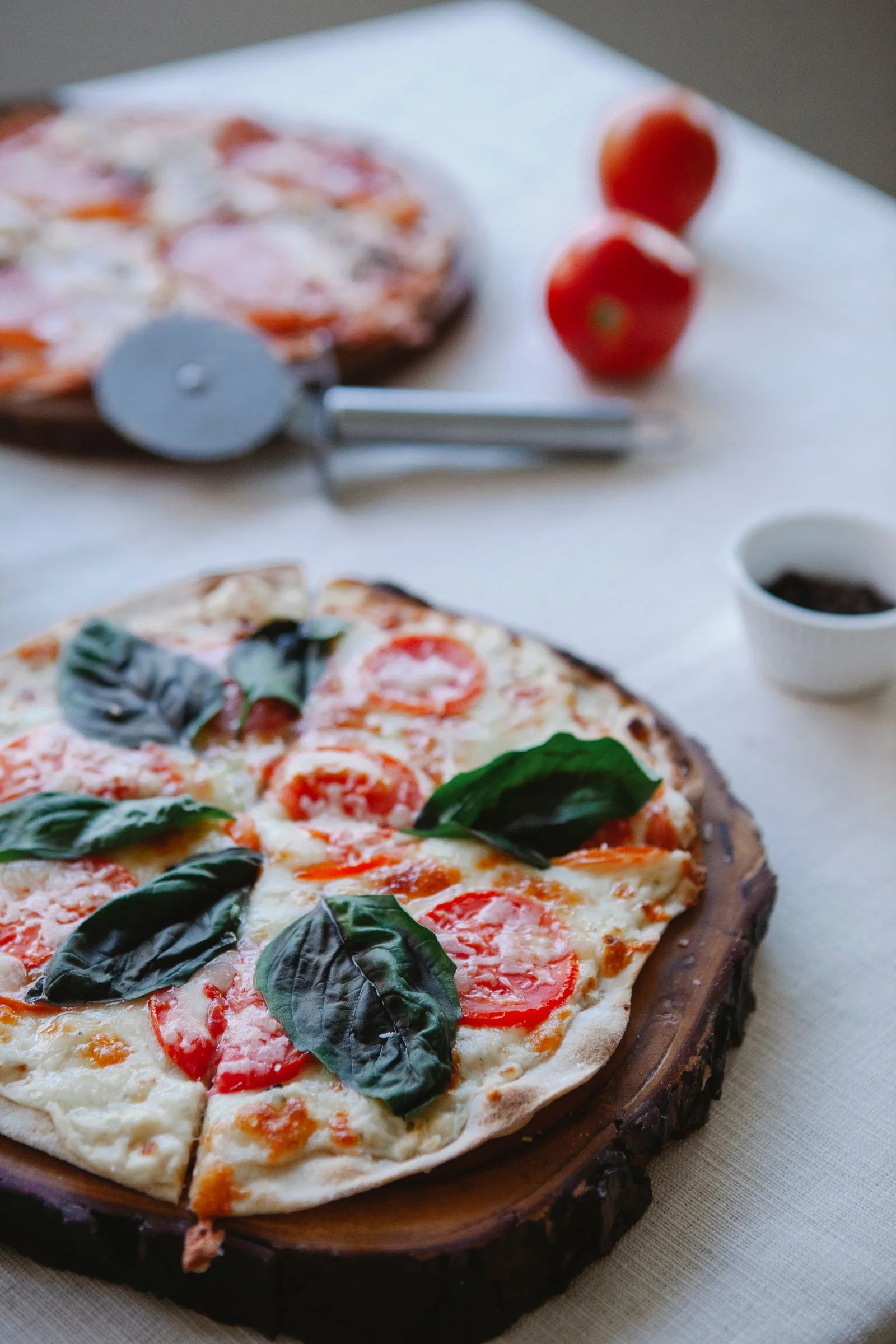
- Classic Margherita — tomato sauce, mozzarella, fresh basil added after baking. The simplest topping set, and the best test of a new crust.
- Garden veggie — mushrooms, peppers and red onion, cooked briefly in a dry pan first so they do not wet the pizza, plus mozzarella and a scatter of olives.
- Pepperoni — tomato sauce, mozzarella and pepperoni, with a pinch of dried oregano and chilli flakes. The classic, and the one children always ask for.
- BBQ chicken — a thin layer of barbecue sauce instead of tomato sauce, shredded cooked chicken, red onion and mozzarella. A great way to use up leftover roast chicken.
- Garlic bread pizza — skip the tomato sauce, brush the pre-baked crust with garlic butter, add mozzarella and a pinch of Italian seasoning, and bake until bubbling. Cut into strips for dipping.
Serve the pizza with a simple green salad and a cold drink, and it is a complete dinner in half an hour. It also works as party food: make two crusts, cut them into small squares, and set them out next to our caramelized onion dip and our shrimp tacos — and if you want something sweet to finish, our best cookie recipes are the natural next course.
Storage and Make-Ahead Tips
This is a flexible recipe — the crust can be made ahead, and leftovers keep well.
- Fridge: Store leftover pizza in an airtight container for up to 3 days. Reheat slices in a hot oven or an air fryer for 3–4 minutes, which brings back the crispness far better than a microwave.
- Make-ahead crust: Bake the bare crust, let it cool completely, then wrap it tightly and keep it in the fridge for up to 2 days. Top and bake it when you are ready to eat — it works just as well as a fresh one.
- Freezing: The baked, untopped crust freezes well for up to a month. Wrap it in cling film and foil, then thaw it at room temperature before topping and baking. A topped, baked pizza does not freeze as well, because the toppings go soft.
- Leftover cottage cheese: If you have half a tub left, it is wonderful stirred into scrambled eggs, spread on toast with tomatoes, or blended into a pasta sauce — the same trick that makes this crust work also makes sauces creamier.
Pro Tips for the Best Cottage Cheese Pizza Crust
- Use full-fat cottage cheese if you can. It gives the richest flavour and the softest crumb. Low-fat works, but the crust will be a little drier and less golden.
- Measure the flour properly. Spoon the flour into the measuring cup and level it off, rather than scooping from the bag — scooping packs the flour down and gives you too much, which makes a dry, heavy dough.
- Keep the crust thin in the middle. A thick middle stays soft and doughy, while a thin middle goes crisp. Press the centre out to about half a centimetre, and leave the rim thicker so you get a proper crust edge.
- Preheat the baking sheet. If you have a heavy baking sheet or a pizza stone, put it in the oven while it preheats. Sliding the parchment with the shaped dough onto a hot surface gives the base a head start on crisping.
- Try the no-flour version too. If you want a lower-carb crust, blend 1 cup of cottage cheese with 2 eggs and a pinch of salt, spread it thinly on parchment, and bake it for 20–25 minutes until set and golden. It is thinner and more delicate than the flour version, closer to a flatbread, but it holds toppings well and is just as quick.
Frequently Asked Questions
Make It Once, Then Make It Your Own
That is our cottage cheese pizza crust — three ingredients, no yeast, no waiting, and a pizza on the table in about thirty minutes. It is crisp at the edges, soft in the middle, high in protein, and good enough that nobody will believe how simple it is.
Once you have made it the classic way, try your own twists: a pinch of chilli flakes in the dough, a spoonful of grated Parmesan mixed in, or a wholewheat flour version for extra fibre. The recipe is a starting point, not a rule — and the best version is the one your family asks you to make again. For more simple recipes in the same style, browse our recipes page, try one of our quick meals for another fast dinner, or pick up a new idea on our cooking tips page.